If you are trying to picture daily life in Chesapeake, the first thing to know is this: there is no single Chesapeake experience. This is a large city with distinct urban, suburban, and rural areas, so your routine can look very different depending on where you live. Whether you are relocating, buying your first home, or simply comparing Hampton Roads cities, this guide will help you understand how Chesapeake functions day to day. Let’s dive in.
Chesapeake Feels Different by Area
Chesapeake covers more than 338 square miles and has about 255,000 residents. Because the city is so spread out, everyday life often revolves around the part of Chesapeake you call home.
The city’s planning framework separates urban, suburban, and rural lifestyles. In practical terms, that means some areas feel close to shopping, offices, and major roads, while others offer larger lots, more open land, and a quieter pace.
For buyers, that matters. Chesapeake is less about one central downtown and more about finding the lifestyle zone that fits your routine, commute, and housing goals.
Getting Around Chesapeake
Most daily routines are car-based
For most households, Chesapeake is a car-oriented city. Major roads like Route 168, Dominion Boulevard, I-64, I-464, I-664, and Route 58 shape how people get to work, run errands, and move around the region.
The average commute to work is 25.8 minutes. That can feel manageable, but your actual drive time may vary depending on which section of Chesapeake you live in and where you need to go across Hampton Roads.
Key roads shape convenience
Route 168, also known as the Chesapeake Expressway corridor, connects I-64 to North Carolina. Dominion Boulevard, or Route 17, is another important route that links North Carolina with I-64 and I-464.
If you need regular access to regional highways, certain parts of Chesapeake may feel more convenient than others. This is one reason many buyers focus closely on commuting patterns before choosing a neighborhood.
Walking and biking depend on location
Chesapeake is not one of those cities where every area supports an easy walk-to-everything lifestyle. Walking and biking are more realistic in denser mixed-use areas or places connected to trails, while many daily errands still require a car.
That does not mean outdoor movement is limited. It simply means recreation and practical transportation are often two different things in Chesapeake.
Where People Work and Run Errands
Greenbrier is a major hub
Greenbrier is the city’s main commercial hub and largest employment center. The area includes offices, restaurants, shopping, sports facilities, Greenbrier Mall, Greenbrier Commerce Park, and Summit Pointe.
According to the Greenbrier precinct, it is the largest business district in Hampton Roads, with more than 18 million square feet of commercial space and 51,000 employees. If you want to live near a major concentration of jobs, dining, and retail, this area often stands out.
Other parts of Chesapeake have strong activity too
Rivercrest includes major employment centers such as Chesapeake Regional Medical Center and the Industrial Waterfront. Southern Chesapeake also has a military presence tied to Fentress Naval Auxiliary Landing Field and the Navy’s Northwest Annex, which supports 11 tenant commands.
The city’s broader economic profile also points to strong activity in retail, health care, and transportation and warehousing. For you as a resident, that means Chesapeake supports a mix of work styles, from office and medical roles to logistics-related employment.
Daily errands vary by section
Greenbrier is the clearest regional draw for shopping and routine errands. Western Branch also offers retail activity along Portsmouth Boulevard, including Chesapeake Square Mall and Shopping Center.
In South Norfolk, you will find smaller-scale commercial activity and local businesses along the Poindexter Street corridor. That gives the city a more varied feel than a single shopping district would suggest.
Recreation Is Spread Across the City
One of the more practical things about life in Chesapeake is that recreation is not limited to one central area. The city describes its trail network as crisscrossing a 353-square-mile area, which fits the way parks and outdoor spaces are distributed across different neighborhoods.
If you enjoy getting outside after work or on weekends, Chesapeake offers a wide range of options. The experience can be as simple as a short trail walk or as active as boating, camping, or disc golf.
Popular parks and trails
Chesapeake City Park is a well-known local destination with the Fun Forest playground, a farmer’s market, and an outdoor concert venue. Northwest River Park offers 763 acres with boating, fishing, hiking, disc golf, mini golf, camping, and trails.
The Chesapeake Arboretum adds another option with 45 acres and about 3.5 miles of wooded trails. The city trail system also includes the Dismal Swamp Canal Trail and routes connected into Western Branch.
What that means for everyday life
In some cities, recreation centers around a downtown waterfront or a single signature park. In Chesapeake, outdoor time is more woven into the broader layout of the city.
That can be a real plus if you want access to trails, green space, or family-friendly activities without needing to leave your area every time. It also reinforces the idea that your experience of Chesapeake depends a lot on where you live.
Housing Styles and Lifestyle Fit
Chesapeake has a strong ownership base
Chesapeake remains heavily owner-occupied, with 74.4% of homes occupied by owners. The median owner value is $378,400, and the median gross rent is $1,586.
Those numbers help frame the market, but the bigger takeaway is how varied the housing stock is across the city. Chesapeake is not a one-size-fits-all housing market.
Urban, suburban, and rural patterns are clear
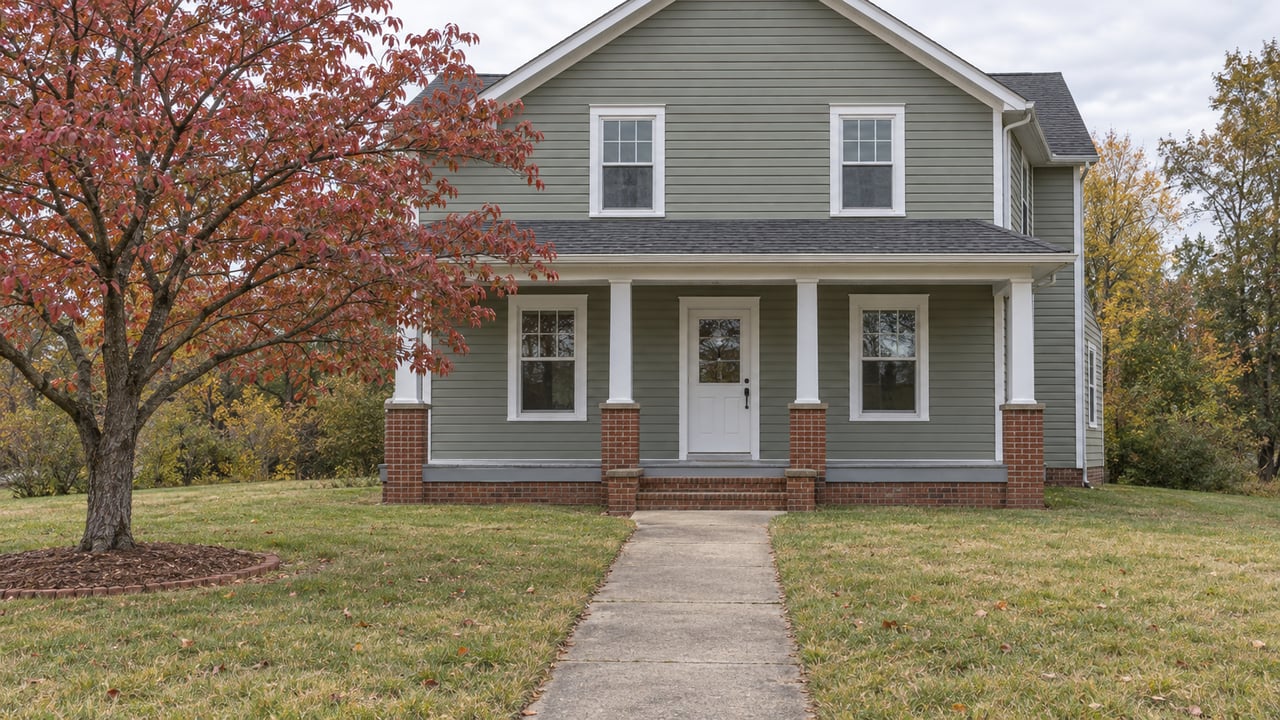
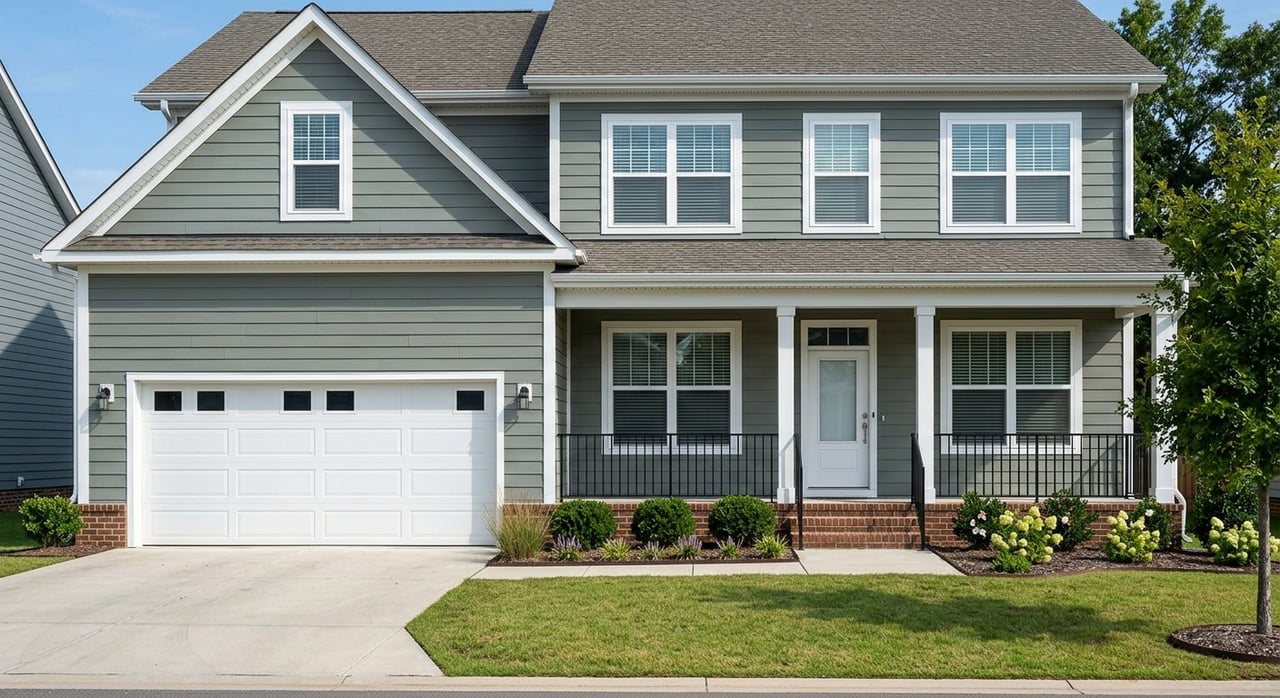
The city’s overlay districts make the housing pattern easier to understand. Urban areas include a mix of single-family homes, duplexes, townhomes, and apartments.
Suburban areas are mostly single-family homes, with some townhomes and duplexes mixed in. Rural areas are very low-density, with larger lots, single-family homes, and active farming.
Different planning areas offer different routines
Greenbrier includes newer housing options ranging from single-family homes to townhomes and apartments. Western Branch blends suburban neighborhoods with commercial development, which can appeal to buyers who want daily convenience nearby.
South Norfolk has the city’s oldest housing stock, with smaller homes and more affordable housing. Rivercrest has a higher concentration of multi-family housing than much of Chesapeake, while Southern Chesapeake trends toward large-tract single-family homes and a more rural feel.
What Life May Feel Like in Key Areas
Greenbrier: convenience first
If you want easy access to shopping, dining, jobs, and newer housing choices, Greenbrier may feel practical for everyday living. It is one of the clearest examples of a convenience-driven lifestyle in Chesapeake.
For many buyers, that can mean shorter errand runs and easier access to major employment centers. It often appeals to people who want a suburban setting with strong commercial access.
Western Branch: suburban with retail access
Western Branch combines residential neighborhoods with nearby commercial activity. With retail options along Portsmouth Boulevard, it can work well for buyers who want a suburban routine with everyday needs close at hand.
This part of Chesapeake can be attractive if you value convenience but do not necessarily want to be in the middle of the city’s busiest commercial hub.
South Norfolk: older housing and local business corridors
South Norfolk offers a more urban pattern, older housing stock, and small businesses along Poindexter Street. For buyers focused on older homes, local commercial character, or more affordable options, this area may deserve a closer look.
Because the housing stock is older and the layout differs from newer suburban sections, the day-to-day feel can be distinct from Greenbrier or Western Branch.
Southern Chesapeake: more space and rural character
If your ideal routine includes more land, lower density, and a quieter setting, Southern Chesapeake may be the strongest match. This area trends toward large-tract single-family homes and a more rural lifestyle.
That extra space can be appealing, but it may also mean more driving for errands and regional destinations. For some buyers, that tradeoff is exactly the point.
Why Chesapeake Works for Many Relocating Households
Chesapeake can make sense for buyers who want options. The city’s mix of suburban convenience, rural space, varied housing, and regional road access creates flexibility that not every Hampton Roads location offers.
It can also be a practical relocation choice for military households. Chesapeake has a sizable veteran population at 17.9%, and its military presence in southern areas helps explain why many service members and veterans consider the city during a move.
If you are comparing Chesapeake with nearby cities, it often comes down to your preferred lifestyle rhythm. Do you want convenience near shopping and job centers, a more affordable older-home area, or extra elbow room with a rural feel? Chesapeake gives you multiple ways to answer that question.
When you are ready to sort through neighborhoods, commute patterns, or housing types, Michael Morrill can help you narrow down the part of Chesapeake that fits your day-to-day life best.
FAQs
What is everyday commuting like in Chesapeake, Virginia?
- Chesapeake is largely car-oriented, with major routes like Route 168, Route 17, I-64, I-464, I-664, and Route 58 shaping daily travel, and the average commute is 25.8 minutes.
What part of Chesapeake has the most shopping and jobs?
- Greenbrier is the city’s main commercial hub and largest employment center, with major shopping, restaurants, offices, and large-scale commercial space.
What kind of housing can you find in Chesapeake?
- Chesapeake includes urban, suburban, and rural housing patterns, with options such as single-family homes, townhomes, duplexes, apartments, and larger-lot properties in lower-density areas.
What is Southern Chesapeake like for daily life?
- Southern Chesapeake generally offers a more rural feel with larger-tract single-family homes, more space, and a quieter pace, but often with more driving for errands and commuting.
Is Chesapeake a good option for military relocation?
- Chesapeake can be a practical option for military households because of its regional access, varied housing choices, military presence in southern areas, and sizable veteran population.