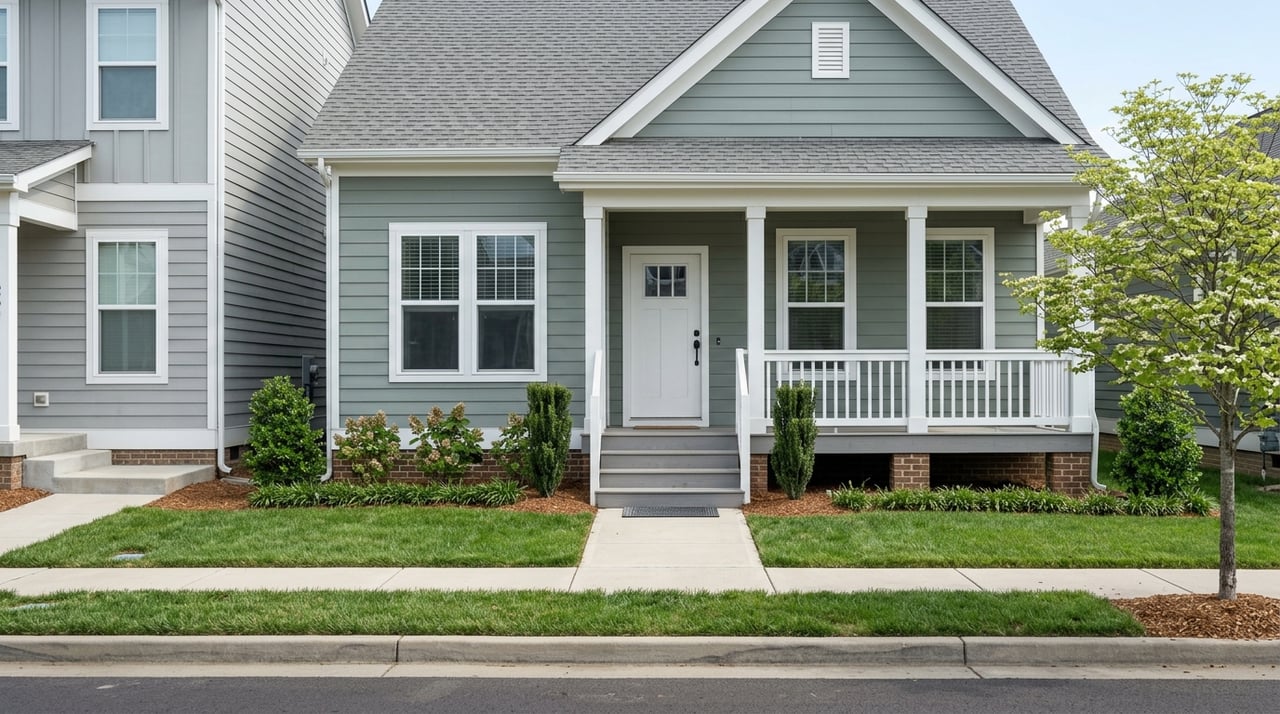
Trying to choose between a townhome and a house in Williamsburg? You are not alone, and the answer is not as simple as many buyers expect. In this market, price ranges often overlap, which means the smarter way to decide is to focus on how you want to live day to day. This guide will help you compare upkeep, privacy, outdoor space, HOA details, and local market conditions so you can make a confident choice. Let’s dive in.
Williamsburg Market Reality
If you assumed townhomes are always the budget option and houses always cost more, Williamsburg may surprise you. As of March 31, 2026, Zillow reports an average home value of $464,104, a median sale price of $470,000, a median list price of $504,333, and a median 33 days to pending in Williamsburg. The market also showed 389 homes for sale and 131 new listings.
When you look closer, the pricing gap between property types is not always clear. Current Williamsburg townhome listings range from about $210,000 to $735,000 on visible results, with many in the $300,000 to $500,000 range. Single-family listings stretch from about $165,000 to more than $1.2 million, with many detached homes in roughly the $345,000 to $850,000 range.
That overlap matters. It means your decision should not start with property type alone. Instead, you should compare lifestyle, responsibilities, monthly costs, and how much control you want over the home and exterior.
Townhome vs House Basics
A townhome in Williamsburg often appeals to buyers who want lower day-to-day exterior responsibility and access to shared amenities. Depending on the community, that can include lawn care, trash collection, pools, clubhouses, golf, tennis, and other shared spaces. Many listings also show private patios, fenced areas, and one-car or two-car garages.
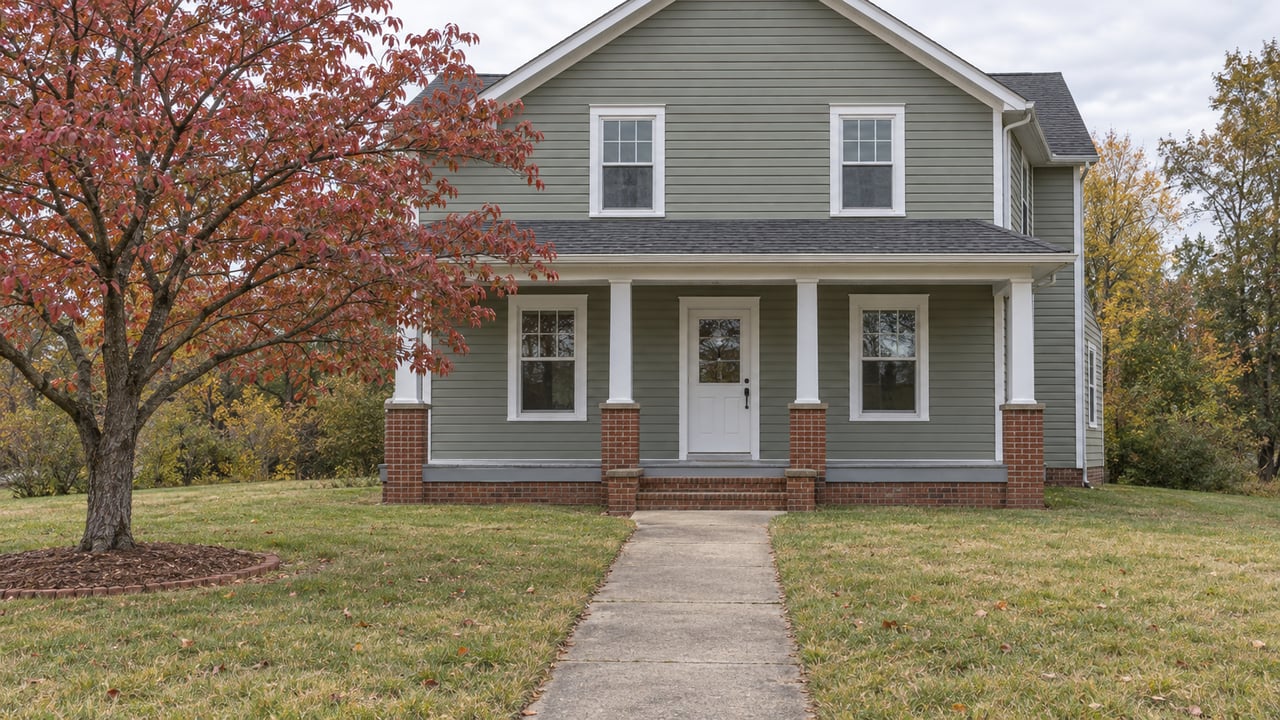
A single-family home often appeals to buyers who want more separation from neighbors, more outdoor space, and more freedom to manage the property as they choose. Current Williamsburg detached-home listings commonly highlight landscaped yards, screened porches, wrap-around porches, and larger floor plans. In most cases, you also take on more direct responsibility for maintaining those features.
The key point is simple: a townhome usually trades some control for convenience, while a house usually trades convenience for more independence.
Maintenance Matters Most
For many buyers, maintenance is the deciding factor. Fannie Mae notes that routine maintenance is a core part of homeownership, and for single-family homes that includes exterior items like gutters and vents. If you buy a house, you should expect to plan and budget for that work yourself.
With a townhome, exterior responsibilities may be partly handled by the homeowners association, but that is never something to assume. Fannie Mae advises buyers to review the community’s governing documents to see exactly what the association covers and what remains the owner’s job. In one Williamsburg listing, the association includes lawn maintenance and trash collection, while other listings show very different fee levels and coverage.
This is why the monthly HOA number alone does not tell the full story. A lower fee may leave you responsible for more items. A higher fee may cover meaningful services that reduce your workload and help you budget more predictably.
Questions to Ask About Maintenance
Before you choose a townhome, ask:
- Who handles the roof, siding, and gutters?
- Is lawn care included?
- Are shared driveways, walkways, or exterior walls maintained by the association?
- Does the HOA cover trash collection?
- Are there reserve funds for future repairs?
- Have there been special assessments?
Before you choose a house, ask yourself:
- Am I ready for regular exterior upkeep?
- Do I want to maintain a yard or larger outdoor space?
- Do I have room in my budget for repairs and seasonal work?
- Do I prefer full control over maintenance decisions?
HOA Rules in Virginia
If you are considering a Williamsburg townhome, the HOA review is one of the most important parts of your due diligence. In Virginia, property owners’ associations are created by governing documents, managed by elected boards after declarant control ends, and authorized to collect mandatory assessments for shared maintenance and improvements.
Virginia’s Resale Disclosure Act makes the HOA packet especially important for buyers. Those documents can include reserve balances, financial statements, operating budgets, reserve studies, insurance information, violation notices, and board or association meeting minutes. That gives you a clearer picture of the community’s financial health and any issues that could affect your ownership experience.
Just as important, the HOA documents may explain whether you need approval for exterior changes. If you want flexibility with landscaping, paint, fencing, or other exterior updates, this part of the review matters a lot.
Why HOA Review Can Change Your Decision
Two townhomes at similar price points can feel very different once you review the association details. One may offer broad maintenance support and amenities that fit your lifestyle. Another may come with rules or costs that make a detached house more attractive.
That is why this decision should be based on the full ownership picture, not just the list price. In Williamsburg, HOA structure can be just as important as square footage.
Privacy and Outdoor Space
Privacy is another major factor, but it is not always as simple as attached versus detached. Fannie Mae notes that townhomes can share common walls or be detached structures, so noise and privacy depend on the specific property. In other words, the label alone does not tell you everything.
Still, many buyers feel that a detached house offers more personal space and a stronger sense of separation. If you want a larger yard, more room between homes, or fewer shared elements, a house may be the better fit. That is especially true if outdoor living is a big part of how you plan to use your home.
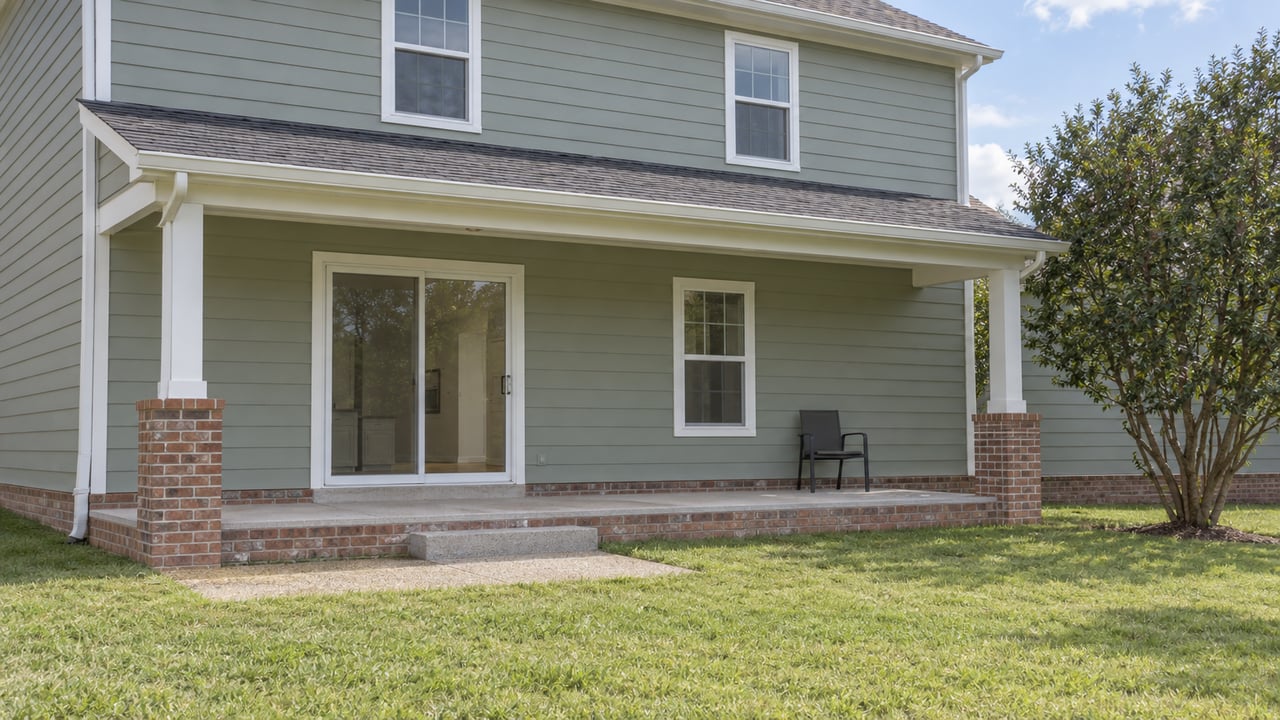
Townhomes can still work well if you want usable outdoor space without the upkeep of a larger lot. In Williamsburg, some listings feature fenced patios, courtyards, privacy walls, and compact yards that give you a private place to relax without adding as much weekend maintenance.
How to Decide Based on Lifestyle
The best choice usually comes down to how you want your week to feel. If you want less exterior upkeep, more predictable shared services, and access to amenities, a townhome may fit your life better. If you want more exterior control, more room outdoors, and fewer community rules, a house may be worth the added responsibility.
This can be especially helpful for buyers relocating to the Williamsburg area. If you are moving on a timeline, balancing work demands, or simply want a lower-maintenance setup while you get settled, a townhome can offer a more structured ownership experience. On the other hand, if you already know you want room to spread out and customize your property, a detached home may better support your long-term plans.
A Simple Decision Framework
A townhome may be the better fit if you want:
- Lower exterior maintenance responsibility
- Shared amenities
- Smaller or easier-to-maintain outdoor spaces
- More predictable monthly ownership structure
- Community-managed standards for shared areas
A house may be the better fit if you want:
- More privacy
- More yard space
- Greater control over the exterior
- Fewer HOA restrictions, or no HOA at all depending on the property
- More flexibility for long-term changes and projects
What to Compare Before You Make an Offer
Before you move forward on either option in Williamsburg, compare the full monthly and long-term cost picture. That includes the purchase price, expected maintenance, HOA fees if applicable, and the practical value of what those fees cover. A townhome with a higher fee may still make sense if it reduces your time and maintenance burden in a way that matters to you.
You should also compare the ownership experience, not just the numbers. Think about how you use outdoor space, how much privacy you want, and whether you prefer shared systems or full control. The more honest you are about your daily habits, the easier this choice becomes.
In today’s Williamsburg market, there is no universal winner between a townhome and a house. The current listing mix shows price overlap, varying HOA structures, and a wide range of property styles. The right move is the one that best matches your budget, your responsibilities, and the way you want to live.
If you want help comparing townhomes and houses in Williamsburg, including HOA details, monthly costs, and how each option fits your goals, Michael Morrill can help you sort through the options and make a practical, confident decision.
FAQs
What is the biggest difference between a townhome and a house in Williamsburg?
- The biggest difference is usually the balance between maintenance support and control. A townhome may offer more shared upkeep and amenities through an HOA, while a house usually gives you more privacy, yard space, and exterior freedom.
Are townhomes always cheaper than houses in Williamsburg?
- No. Current Williamsburg listings show meaningful overlap in pricing, with many townhomes and single-family homes competing in similar price ranges.
What should buyers review in a Williamsburg townhome HOA packet?
- Buyers should review the HOA fee, what it covers, reserve balances, financial statements, operating budgets, reserve studies, insurance details, violation notices, and meeting minutes if available.
Do Williamsburg townhomes always share walls with neighbors?
- No. Fannie Mae notes that townhomes can share common walls or be detached structures, so privacy and noise levels depend on the specific property.
Is a house better than a townhome for outdoor space in Williamsburg?
- Often, yes. Current single-family listings more commonly feature larger yards, porches, and expanded outdoor living areas, while townhomes often offer smaller patios, courtyards, or compact fenced spaces.
How can you decide between a Williamsburg townhome and house?
- Start with your lifestyle. If you value lower upkeep and amenities, a townhome may fit better. If you value privacy, outdoor space, and more control over the property, a house may be the stronger choice.