If you are thinking about selling your Chesapeake home, timing alone will not do the heavy lifting. In today’s market, buyers are active, but they are also paying attention to price, condition, and terms. This guide walks you through what to expect from valuation to closing so you can make informed decisions, avoid delays, and move forward with confidence. Let’s dive in.
Chesapeake Market Snapshot
Chesapeake’s housing market looks closer to balanced than extreme. Realtor.com reported 601 homes for sale in March 2026, a median list price of $439,200, and a median 26 days on market. Redfin’s April 2026 data also showed homes selling in about 25 days, with a median sale price of $428,702 and a 100.3% sale-to-list ratio.
That matters because a balanced market rewards preparation. Homes are still selling, and 38.7% sold above list price in Redfin’s data, but not every listing will spark a bidding war. About 12.5% of homes had price drops, which is a strong reminder that pricing correctly from day one still matters.
Virginia REALTORS® also reported in February 2026 that overpricing was discouraging buyer participation. If your home launches too high, you may lose early interest when your listing is freshest. A disciplined pricing strategy can help you attract stronger traffic and better offers sooner.
Start With a Real Valuation
A city tax assessment is useful background, but it is not the same as a full market valuation. Chesapeake assesses real estate at 100% of fair market value and updates assessments annually, but that number does not replace a comparative market analysis based on current buyer behavior.
When you price your home, the real conversation should focus on recent comparable sales, your home’s condition, upgrades, lot characteristics, and location differences. It should also account for how quickly similar homes are selling right now. In a market where homes are moving in about 25 to 26 days, small pricing mistakes can have a real impact.
This is where a data-driven approach helps. Instead of guessing or relying too heavily on an assessment, you want a price that reflects what buyers in Chesapeake are actually willing to pay in the current market.
Prepare the Home Before Listing
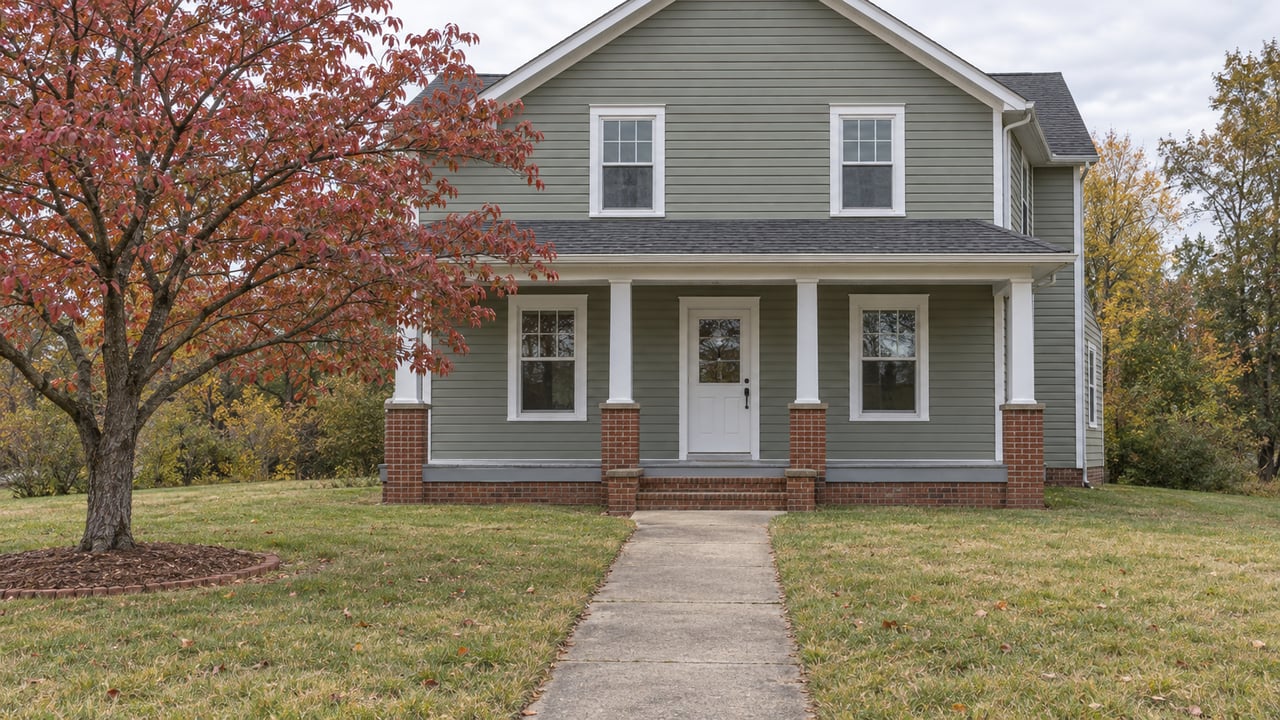
Once pricing is underway, your next goal is presentation. In Chesapeake’s current market, list price, photos, staging, and showing access all work together. A strong launch gives your home the best chance to attract serious buyers quickly.
Before you go live, it helps to focus on the basics:
- Clean and declutter each room
- Handle obvious maintenance items
- Highlight upgrades and improvements
- Make the home easy to show
- Gather records that support condition and updates
These steps do not need to turn your house into something it is not. They simply help buyers see the home clearly and reduce distractions that can affect offers.
Get Seller Disclosures Ready Early
Paperwork can slow a sale down if you wait too long. In Virginia, the residential property disclosure statement must be provided before contract ratification. If it is delivered later, the buyer may have a limited right to terminate.
The disclosure packet also includes flood-risk information. If you know the property has a repeated flood-claim history, that fact must be disclosed. If your home was built before 1978, federal lead-based-paint disclosure rules also apply.
Getting these items organized early can help keep your listing on schedule. Virginia law also requires the listing broker to inform the seller of rights and obligations under the disclosure act, which is one reason seller representation involves much more than marketing alone.
Account for HOA or Condo Documents
If your home is part of a homeowners association or condominium association, add one more item to your checklist. Under Virginia’s Resale Disclosure Act, the seller or seller’s agent must obtain the association’s resale certificate and provide it to the buyer.
This matters because buyer cancellation rights can be tied to that resale packet before settlement. If the documents are late or incomplete, your timeline may be affected. Ordering them early is a practical way to avoid last-minute stress.
Launch With a Strong Marketing Plan
In a market like Chesapeake, the first impression matters. Buyers are not automatically going to overlook weak photos, limited showing access, or an inflated price just because inventory is available. A well-prepared launch helps your home compete from the start.
A typical listing launch includes several moving parts:
- Finalizing list price from comparable sales
- Preparing listing photos and property remarks
- Syndicating the listing across major home-search platforms
- Scheduling and managing showings
- Collecting buyer and agent feedback
- Monitoring activity and adjusting if needed
The goal is not just exposure. It is attracting the right buyers with the right expectations. That usually leads to cleaner negotiations and fewer surprises once offers come in.
Compare Offers Beyond Price
The highest offer is not always the best offer. When offers arrive, you want to look at the full picture, not just the top-line number.
Important terms to compare include:
- Net proceeds to you
- Financing strength
- Appraisal risk
- Inspection or repair requests
- Earnest money amount
- Closing timeline
- Possession timing
- Other contingencies
Two offers can look similar on paper but lead to very different results at closing. Looking at the full structure helps you choose the offer that best fits your goals.
Know What Happens Under Contract
Once you accept an offer, the transaction enters a more deadline-driven phase. Inspections, financing, title work, payoff requests, and disclosure follow-up all need to stay on track. This is often where sellers realize how many details happen between contract acceptance and closing day.
Virginia law defines settlement services broadly. That process can include title insurance orders, inspections, payoffs, settlement statements or closing disclosures, the closing appointment, deed recording, and delivery of the recorded deed and title policy after closing.
The settlement agent must cause recordation and disbursement within two business days of settlement. That means your closing is more than a single appointment. It is a coordinated process that depends on communication and timing across multiple parties.
Understand Settlement Agent Rules in Virginia
One question many sellers ask is whether they can require a certain settlement company. In Virginia, the buyer or borrower has the right to choose the settlement agent. The seller cannot require a particular settlement company as a condition of the sale.
That said, you may still choose to retain an attorney for legal advice related to deed preparation, fee review, or closing documents. Knowing who handles what can make the process feel much clearer as your settlement date approaches.
Budget for Chesapeake Closing Costs
Selling costs go beyond agent compensation and any negotiated repairs or credits. Virginia also imposes state deed-related taxes at closing.
The state recordation tax is 25 cents per $100 of consideration or value, plus an additional grantor tax of 50 cents per $500. On a Chesapeake sale around the April 2026 median price of $428,702, those state deed taxes total about $1,500 before other negotiated closing costs or fees.
This is one reason it helps to estimate net proceeds early. A realistic closing-cost picture makes it easier to plan your next move, whether you are buying another home, relocating, or converting sale proceeds to another use.
Watch Tax Prorations Carefully
Chesapeake real-estate taxes are billed quarterly on a fiscal-year schedule. Installments are due September 30, December 31, March 31, and June 5. If your closing happens near one of those dates, tax proration deserves extra attention.
The city’s real-estate tax rate for FY 2025-26 is $1.01 per $100 of assessed value. Using Redfin’s April 2026 median sale price as an example, that works out to roughly $4,330 per year in city real-estate tax before proration at closing.
A settlement statement should reflect each party’s share accurately. Checking those numbers carefully can help prevent confusion, especially if your sale lands close to a quarter-end billing date.
Why Full-Service Guidance Matters
Selling a home involves pricing, disclosures, timing, negotiation, and closing coordination all at once. In Chesapeake’s current market, the details matter because buyers have options and contract terms can shape your final result as much as price does.
That is where full-service support can make a real difference. From organizing disclosure documents to coordinating with the buyer, lender, title company, and any attorney involved, experienced guidance helps keep the process moving and reduces the chance of preventable delays.
If you are preparing to sell in Chesapeake and want a practical, data-driven plan, Michael Morrill can help you move from valuation to closing with clear advice and responsive support.
FAQs
How should you price a home for sale in Chesapeake?
- The best pricing strategy uses recent comparable sales, current condition, upgrades, lot and location differences, and how quickly similar homes are selling, rather than relying only on the city tax assessment.
What disclosures are required when selling a home in Chesapeake, Virginia?
- Virginia requires a residential property disclosure statement before contract ratification, includes flood-risk information in that packet, requires disclosure of known repeated flood-claim history, and may require lead-based-paint disclosure for homes built before 1978.
What changes if your Chesapeake home is in an HOA or condo?
- If the property is in an HOA or condo association, the seller or seller’s agent must obtain and deliver the association’s resale certificate, and buyer cancellation rights may be tied to that packet before settlement.
Can a seller choose the settlement company in a Virginia home sale?
- No. In Virginia, the buyer or borrower has the right to choose the settlement agent, and the seller cannot require a specific settlement company as a condition of sale.
What closing costs should Chesapeake home sellers expect?
- Sellers should plan for state deed-related taxes, possible negotiated repairs or credits, and other transaction-related costs, with Virginia’s state deed taxes totaling about $1,500 on a sale near Chesapeake’s April 2026 median price before other fees.
How are Chesapeake real-estate taxes handled at closing?
- Chesapeake real-estate taxes are billed quarterly, so taxes are typically prorated at settlement based on the closing date and should be reviewed closely, especially near September 30, December 31, March 31, or June 5.