PCS orders to Virginia Beach can feel exciting and overwhelming at the same time. You want the right home, a smooth move, and a commute that fits your daily rhythm. With several bases nearby and a wide range of neighborhoods, it helps to have a clear plan tailored to military life. This guide walks you through base locations, housing options, commute patterns, a PCS timeline, and key local resources so you can settle in with confidence. Let’s dive in.
Military footprint and where you fit
Virginia Beach sits at the heart of Hampton Roads with a strong military presence. NAS Oceana is the Navy’s primary master jet base within the city limits, and Joint Expeditionary Base Little Creek–Fort Story serves amphibious and expeditionary units along the coast. Many families also connect daily to nearby installations like Naval Station Norfolk, Joint Base Langley–Eustis, and regional shipyards.
Virginia Beach is the largest city in the region and offers a broad mix of housing choices. Many service members choose to live here for beach access, neighborhood variety, and ample off-base options, even if assigned to bases in Norfolk, Portsmouth, or on the Peninsula. You can compare Virginia Beach homes with nearby cities like Norfolk and Chesapeake while weighing commute time, price, and lifestyle.
Housing options at a glance
Single-family suburbs
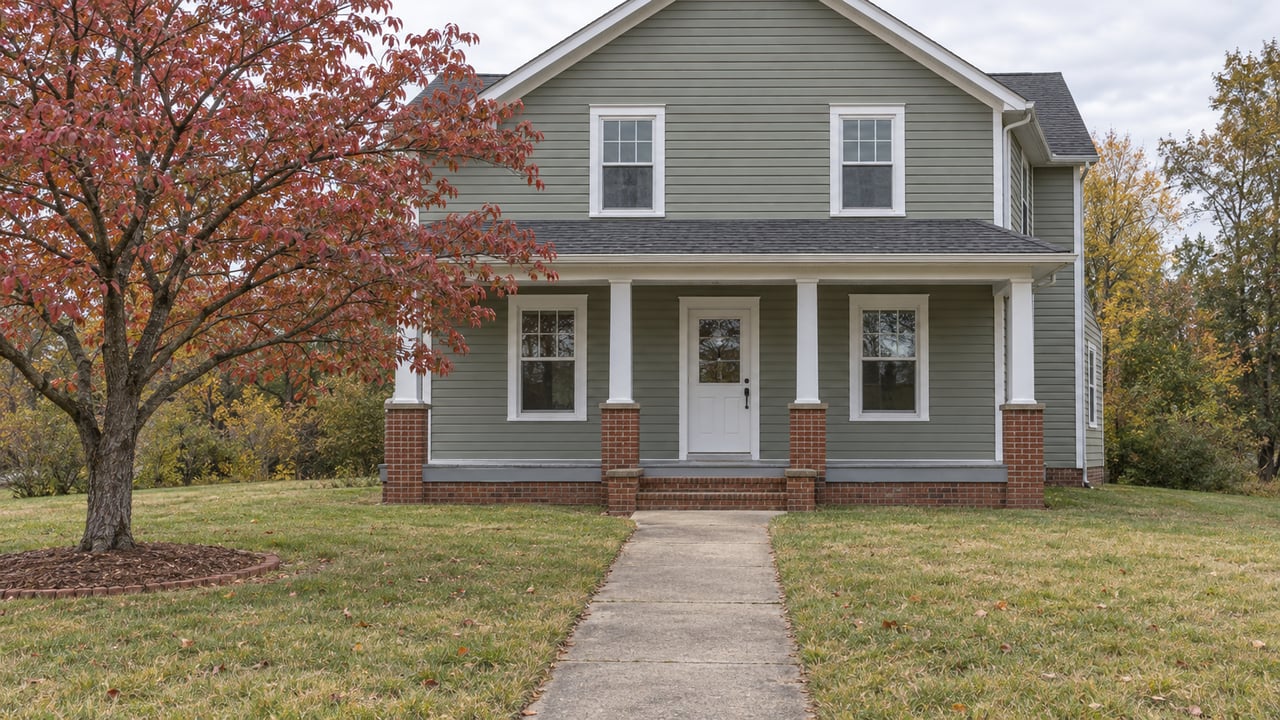
If you want space and a yard, you will find many single-family neighborhoods across Princess Anne, Kempsville, Great Neck, Bayside, Salem, and parts of Lynnhaven. These areas offer direct routes to NAS Oceana and road access toward Norfolk. You will also find a range of parks and local shopping nearby depending on the sub-area you choose.
Townhomes and condos
Closer to the oceanfront and in some inland pockets, townhouses and condos are common. These can work well if you prefer low-maintenance living or a smaller footprint while you get oriented. Many junior enlisted and small households use these as flexible options during short tours or while awaiting on-base housing.
Beachfront and Sandbridge
Oceanfront properties and Sandbridge homes trend higher in price due to vacation demand and proximity to the beach. Sandbridge offers quieter coastal living with a more remote feel. Keep in mind that commutes to many bases are longer from these areas, and you should evaluate flood risk carefully.
Newer inland communities
Newer subdivisions and master-planned neighborhoods are more common toward the western side of Virginia Beach near the Chesapeake line. If you want more modern layouts or larger new builds, this can be a good direction to explore.
Buy or rent for your tour
Match BAH to local costs
Start by looking up your BAH for the “Virginia Beach–Norfolk–Newport News” area based on your pay grade and dependent status. Compare estimated monthly rent with potential mortgage payments, taxes, and insurance. This gives you a baseline for affordability before you narrow your search.
Tour length and risk
If your orders are short or you expect frequent moves, renting can reduce transaction costs and timing stress. If you expect to stay 3 to 4 years or longer, buying may make sense depending on your down payment, loan terms, and how the market trends while you hold the property.
On-base vs. off-base
On-base privatized housing can be convenient, but availability changes with waitlists and unit types. Some families prefer off-base choices for space and neighborhood consistency. Contact your gaining command housing office early to verify eligibility, waitlists, and temporary lodging options.
Flood and insurance checks
Virginia Beach includes coastal and low-lying areas. Check FEMA flood maps and consider flood insurance even if your lender does not require it. You can review official maps on the FEMA Flood Map Service Center and explore local guidance on the City of Virginia Beach site.
Best places by base assignment
If assigned to NAS Oceana
Focus on Princess Anne, Red Mill and Red Mill West, Lynnhaven north of I-264, Haygood, and the Newtown or Seatack areas. These zones can offer 10 to 25 minute drives depending on traffic and your exact location. Plan for heavier flow during shift changes and school hours.
If commuting to Naval Station Norfolk or downtown
Kempsville, Great Neck, and Hilltop provide central access to I-264 for trips into Norfolk. Commute times can range from about 20 to 45 minutes or more with peak congestion on I-264 and near the bridge-tunnel approaches. Test drive your route during your expected duty hours when possible.
If assigned to Langley AFB or Fort Eustis
You will likely cross the Hampton Roads channel using I-64 or the HRBT. From many Virginia Beach neighborhoods, plan for 40 to 70 minutes or more depending on time of day. Some families choose to live on the Peninsula for these assignments to shorten daily drives.
Commute corridors and patterns
Key routes include I-264 connecting Virginia Beach to Norfolk, US-58 and General Booth Boulevard for east-west movement, and Shore Drive along the oceanfront for local travel. Expect peak congestion during morning and late afternoon rush hours and heavier weekend traffic near the oceanfront and Sandbridge in summer.
Transit options and limits
Hampton Roads Transit provides bus service in parts of Virginia Beach, though frequency and coverage can be limited compared to driving. Light rail service currently operates in Norfolk only. Explore routes and park-and-ride options on Hampton Roads Transit.
Base access and parking
Confirm base access rules, gate hours, and parking expectations with your unit and the installation. Make sure ID and vehicle registration are current before moving day. Check with your sponsor if you need specific gate guidance for early or late shifts.
PCS timeline and checklist
6 to 9 months out
- Contact both housing offices to discuss in-processing, temporary lodging allowance, and on-base availability.
- Look up your BAH and set your rough budget for rent or a mortgage.
- If buying, get pre-approval from a lender that serves Hampton Roads and works with VA loans.
- If renting, set alerts and prepare funds for application and deposits.
3 to 6 months out
- Schedule household goods shipment and gather moving quotes; consider storage if you will arrive before your home is ready.
- Start school research and confirm registration steps with Virginia Beach City Public Schools.
- Contact School Liaison and Family Support resources for childcare and enrollment planning.
- Identify a short-term housing plan in case HHG or on-base availability shifts.
0 to 30 days out
- Confirm temporary lodging reservations and base access directions.
- Review vehicle insurance and learn Virginia registration and inspection timelines.
- Share your route and arrival window with your sponsor for gate timing and parking tips.
For general planning, review PCS checklists and relocation support on Military OneSource.
After you arrive
IDs, vehicles, and residency
Virginia requires new residents to update driver’s licenses and vehicle registration within a set window. Verify current rules and timelines before you head to the DMV. Active-duty service members may retain home-state residency for tax and voting; spouses should review requirements if establishing Virginia residency.
Schools and childcare
Virginia Beach City Public Schools assigns attendance by zone. Contact the district for enrollment paperwork, immunization requirements, and any transfer or specialty program processes. Base School Liaison Officers can help you coordinate records and timelines.
Healthcare and support
TRICARE serves the region along with base clinics and nearby treatment facilities. Fleet & Family Support Centers, School Liaison Teams, and Family Readiness Programs can assist with spouse employment, childcare, and transition questions.
Flood and storm preparedness
Virginia Beach has a coastal climate with humid summers and mild winters. Plan for hurricane season by reviewing local floodplain information on the City of Virginia Beach site and confirming your home’s status using the FEMA Flood Map Service Center.
Cost factors and market context
Prices in Virginia Beach generally track above some neighboring Southside cities and vary by location and housing type. Proximity to NAS Oceana and JEB Little Creek–Fort Story, school zone, flood zone status, and commute times are common drivers of price. Oceanfront and Sandbridge areas reflect higher demand and seasonal tourism influences.
Interest rate changes affect monthly affordability even when home prices hold steady. If you plan to buy, keep an eye on rate trends and factor in closing costs, property taxes, and insurance. If you plan to rent, start early and stay flexible on your move-in date to reduce overlap with HHG and lodging.
Inventory and pricing shift with the seasons, especially around summer move windows. If you can, align tours and offers with your reporting date and plan for temporary lodging if a closing or lease start date slips.
How a veteran-led advisor helps
You deserve a guide who knows both the mission and the market. With deep experience across Virginia Beach and the wider Hampton Roads area, a veteran-led approach brings discipline, clear communication, and a practical PCS playbook. Whether you are buying, renting, or planning for property management during a future deployment, you can streamline decisions and move forward with confidence.
If you are ready to explore neighborhoods, compare commute scenarios, or map a PCS timeline, connect with Michael Morrill for a straightforward plan and local support from start to keys.
FAQs
What military bases are near Virginia Beach?
- NAS Oceana and JEB Little Creek–Fort Story are in Virginia Beach, with Naval Station Norfolk and Joint Base Langley–Eustis nearby in the region.
Which neighborhoods are closest to NAS Oceana?
- Princess Anne, Red Mill and Red Mill West, Lynnhaven north of I-264, Haygood, and Newtown or Seatack often offer shorter drives depending on exact location.
How long is the commute to Naval Station Norfolk?
- From many Virginia Beach neighborhoods, plan for about 20 to 45 minutes or more, with congestion on I-264 and near bridge-tunnel approaches during peak hours.
Should I rent or buy for a 3-year tour?
- Renting reduces transaction friction for shorter stays, while buying can make sense around the 3 to 4 year mark depending on your BAH, rates, and resale expectations.
How do Virginia Beach public schools assign students?
- Virginia Beach City Public Schools uses zone-based assignments; review enrollment details and zoning with the district at VBCPS.
How can I check flood risk for a home?
- Review the property’s status on the FEMA Flood Map Service Center and explore local floodplain guidance on the City of Virginia Beach website.
Are there public transit options for commuting?
- Hampton Roads Transit runs bus service in parts of Virginia Beach, though many commuters drive due to route coverage and schedules; see HRT for details.