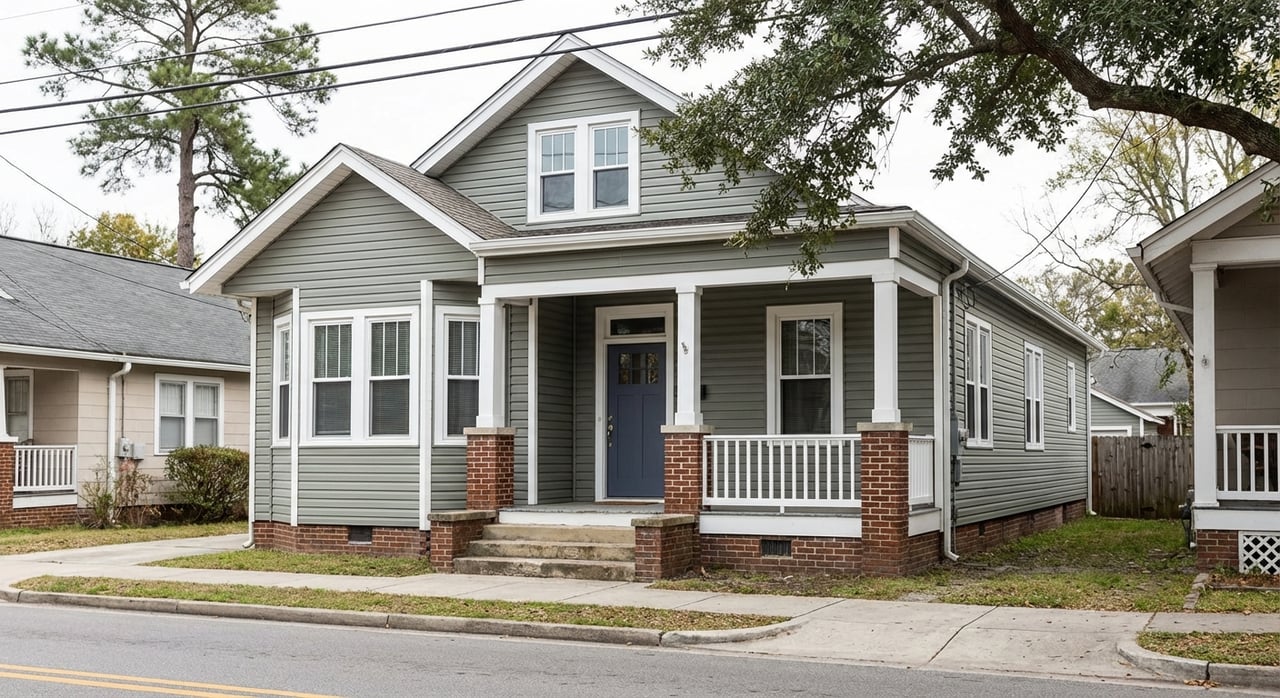
Thinking about building steady cash flow in Hampton Roads but unsure where to start? Portsmouth gives you a lower entry price, solid workforce demand, and landlord rules you can plan around. If you are new to rentals, you want clear numbers, a simple plan, and fewer surprises. In this guide, you will see local prices and rents, a step-by-step process, key rules, and a sample pro forma to help you move forward with confidence. Let’s dive in.
Portsmouth market at a glance
Portsmouth is a renter-friendly market with about 96,000 residents and an owner-occupied share near 58 percent, which means renters make up roughly 42 percent of households. You can use this mix to support year-round leasing and steady demand. These figures come from the Census QuickFacts series for Portsmouth. You can review the latest snapshot in Census QuickFacts.
Typical purchase prices remain accessible. Zillow’s broad index shows a typical home value near $254,490 as of late 2025. That makes entry pricing in Portsmouth lower than several neighboring cities. See the current reading on the Zillow Portsmouth Home Values page.
Rents vary by source and bedroom count. Recent snapshots show a citywide median asking rent around the low to mid $1,500s. For a conservative anchor, Zumper reported about $1,521 in early 2026. You can check the latest number on Zumper’s Portsmouth rent research. The Census five-year series puts median gross rent (which includes some utilities) near $1,300, so use conservative rent in early underwriting and then tighten with current comps.
Takeaway: prices are manageable, rents are stable, and the renter share is large enough to support consistent leasing when you buy the right property.
What to buy in Portsmouth
You will find three common paths for first-time investors:
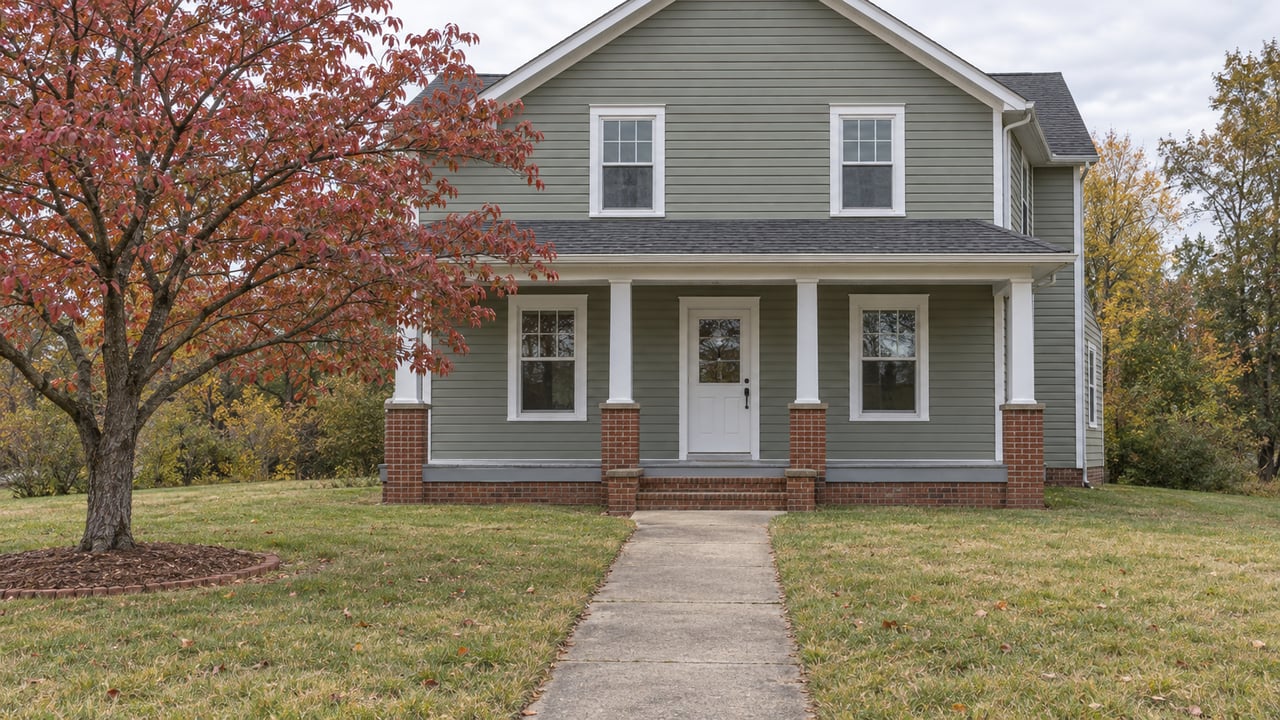
- Single-family homes. Many Portsmouth neighborhoods are single-family areas. These often rent to workforce tenants who value value and commutes.
- Small multifamily. Duplexes and 2–4 unit buildings in older, denser pockets can boost cash flow per lot. Older stock can need more maintenance, so inspect carefully.
- Condos and townhomes. Lower exterior maintenance and HOA coverage can be a plus. Review HOA rules for lease length, pet policies, and any rental caps before you buy.
Neighborhoods to research for comps include Olde Towne, Port Norfolk, Westhaven and Waterview pockets, Churchland and West Norfolk, and the north side near shipyard and industrial job centers. Pull at least three very local sold comps per block or micro-area.
Who rents here and why it matters
Portsmouth benefits from steady demand tied to the Norfolk Naval Shipyard, healthcare centers, and regional commuting into Norfolk and Virginia Beach. That often means reliable workforce renters who value well-kept, fairly priced homes. If you plan to accept vouchers, use HUD’s Fair Market Rent (FMR) as a benchmark for pricing and program fit. The Virginia Beach–Norfolk–Newport News MSA 2-bedroom FMR for FY2025 was about $1,696. You can review regional FMRs on RentData’s HUD FMR page.
Vacancy has been reported in the low single digits in recent snapshots, which supports re-leasing without long gaps when homes are priced and prepared well. Expect normal seasonality and confirm submarket vacancy with a local property manager.
Run a simple, conservative pro forma
Start with conservative rent and realistic expenses. Then refine with street-level comps and actual quotes.
- Example purchase price: $254,500 (near the city’s typical value)
- Example monthly rent: $1,500 based on a conservative reading of local indexes
- Annual gross rent: $18,000
Estimated annual expenses before mortgage and insurance:
- Vacancy reserve (5 percent): $900
- Professional management (10 percent of rent, typical 8–12 percent range): $1,800
- Property taxes: Portsmouth’s tax rate is $1.24 per $100 of assessed value. At an assessed value similar to $254,500, the annual bill is about $3,155. See the city’s Collection Rates page.
- Maintenance and capital reserve (8 percent of rent): $1,440
Subtotal known operating expenses: about $7,295 per year.
Illustrative net operating income before insurance, HOA, flood premiums, and mortgage: about $10,705 per year. This is only a starting point. Add quotes for landlord and flood insurance, adjust taxes to the assessed value, and plug in your actual financing terms to complete the picture.
Tip: Do not rely on citywide medians alone. A better purchase price, a renovation that lifts rent, or lower vacancy through strong tenant retention can move your return more than any single line item.
Local rules you must follow
- Portsmouth rental inspection. If your unit is in a rental-inspection district, you must notify the city within 60 days of using it as a rental. The city charges a $50 inspection fee, and a Certificate of Compliance is issued after a successful inspection. Confirm current district maps and fees with the Permits & Inspections office on the city’s Rental Inspection page.
- State authority for inspection districts. Virginia law authorizes targeted rental-inspection districts and sets procedures, including notification and sampling rules for multifamily. You can read the enabling statute in Virginia Code Title 36, Section 36-105.1:1.
- Virginia landlord-tenant basics. The Virginia Residential Landlord and Tenant Act (VRLTA) governs deposits, notices, entry, and habitability. For unpaid rent, Virginia allows a 5-day pay-or-quit notice before termination steps. Review the VRLTA in the Virginia Code and consult local counsel for edge cases.
- Lead-safe rules for older homes. Many Portsmouth homes were built before 1978. You must provide the federal lead disclosure for leases, and any renovation that disturbs paint in pre-1978 housing must follow EPA RRP rules. See the EPA’s RRP program resources.
Taxes, insurance, and flood planning
- Property taxes. Portsmouth’s real estate tax rate was $1.24 per $100 of assessed value for the 2025 tax year. Bills are collected quarterly, so build that into your cash flow planning. Always underwrite to assessed value, which can differ from purchase price. Review the latest rate on the city’s Collection Rates page.
- Flood exposure. Parts of Portsmouth sit near tidal waters. Use FEMA flood maps and request insurance quotes before you remove contingencies. Sea-level trends in the region show meaningful long-term rise at nearby tide gauges, which can shape long-run insurance costs. See NOAA’s sea level trend data for regional context.
- Insurance. Get written quotes for landlord coverage and, if needed, NFIP or private flood coverage. Premiums vary widely by elevation, build year, and updates.
Step-by-step plan to buy your first rental
- Define your criteria. Choose a target rent range, bedrooms, and property type. Confirm commute needs for typical tenants in your area of choice.
- Pull real comps. Use both active and recent leased comps within a half mile where possible. Underwrite with the more conservative rent until showings confirm demand.
- Inspect for age-related costs. Budget for systems, roofs, and any lead-safe work in pre-1978 buildings. Use contractor bids to set your reserve.
- Model the numbers two ways. Run a base case with conservative rent and a stretch case with rent supported by top-tier condition. Keep vacancy at 3–8 percent and management at 8–12 percent if you plan to hire it.
- Verify rules early. If you buy in a rental-inspection district, plan the inspection timeline to avoid leasing delays. Review VRLTA notice, deposit handling, entry, and habitability duties.
- Get insurance quotes. Include flood if the property is in or near a flood zone. Confirm any HOA requirements for condos or townhomes.
- Prepare your leasing plan. Decide whether to accept vouchers. Use HUD FMRs as a benchmark if you do. Create a fair and consistent written screening process.
- Choose self-management or a manager. A local property manager typically costs 8–12 percent of monthly rent and can reduce vacancy with faster leasing and coordinated maintenance.
How Portsmouth stacks up in Hampton Roads
Portsmouth’s value story is simple. Lower purchase prices and only slightly lower rents can boost gross yield compared to some nearby cities. As an illustration, a typical Portsmouth home value near $254,490 paired with a market asking rent around the mid $1,500s produces a gross yield near the mid 7 percent range. Norfolk and Chesapeake examples often pencil lower on a gross-yield basis. Your actual net result will depend on your property, financing, taxes, insurance, vacancy, and maintenance.
Ready to take the next step?
If you want a clear plan for your first Portsmouth rental, let’s talk about your criteria, current comps, and a property-by-property game plan. Schedule a Free Consultation with Michael Morrill to get local guidance on buying, leasing, or full-service management.
FAQs
What are typical rents for Portsmouth rentals right now?
- Recent sources show a citywide asking median around the low to mid $1,500s, while the Census five-year median gross rent is lower. Underwrite conservatively and tighten with neighborhood comps by bedroom count.
Do I need a city rental inspection before leasing in Portsmouth?
- If your property is in a rental-inspection district, you must notify the city within 60 days, pay the inspection fee, and obtain a Certificate of Compliance before renting.
How much should I budget for Portsmouth property taxes?
- The real estate tax rate has been $1.24 per $100 of assessed value, billed quarterly. Underwrite to assessed value and verify the current rate before closing.
How does flood risk affect Portsmouth rentals?
- Some neighborhoods are low-lying. Confirm flood zone status, request flood insurance quotes during due diligence, and factor premiums into your expense model.
What is the notice requirement for unpaid rent in Virginia?
- Under the Virginia Residential Landlord and Tenant Act, landlords can issue a 5-day pay-or-quit notice for unpaid rent before moving to termination steps. Always follow VRLTA rules and consult counsel for specific cases.
Should I consider accepting housing vouchers in Portsmouth?
- It can add payor stability. Use the metro’s HUD Fair Market Rents as a benchmark for pricing, and speak with the local housing authority about program details and inspections.