Trying to choose between a condo or a house for your first home in Norfolk? You are not alone. With coastal living, a strong military presence, and a mix of historic neighborhoods and downtown towers, the choice can feel overwhelming. In this guide, you will compare costs, financing, insurance, flood risk, and lifestyle so you can make a confident decision. Let’s dive in.
Norfolk market snapshot: early 2026
Norfolk’s citywide median sale price has recently hovered around $300,000 to $310,000, and the market feels competitive with typical days on market ranging from the 30s to 50s depending on the month. Neighborhood differences matter. Downtown condos often price differently than single-family homes in areas like Larchmont/Edgewater, Ghent, Park Place, Colonial Place, and East Ocean View. Property taxes are a real part of your budget. Based on public tax data, Norfolk property tax averages around 0.9 to 1.0 percent of assessed value; confirm the current rate before you buy since rates and assessments change over time. You can explore rate details using Norfolk City entries on tax reference sites like the summary at Norfolk property tax averages.
Condo vs. house: how monthly costs differ
Condos: HOA dues change the math
Condos come with monthly association dues. Those dues typically cover exterior upkeep, common-area maintenance, a master insurance policy, and sometimes water, trash, cable or internet. The tradeoff is simple. You spend less hands-on time maintaining the property, but your fixed monthly cost is higher because the HOA fee is added to your mortgage, taxes, and insurance.
A practical way to budget a condo is to add four lines: mortgage, property taxes, condo owner insurance (HO‑6), and HOA dues. Ask the association what utilities and services your dues include. If the master policy is “all-in,” your personal HO‑6 premium may be lower than if the master policy is “bare walls.”
Houses: more control, more responsibility
With a single-family home, you do not pay an HOA in most cases. You control exterior maintenance, repair schedules, and upgrades. You will carry a homeowner’s policy that covers the full structure (often an HO‑3 type policy) and budget for roof, siding, systems, and yard work as needed. For many first-time buyers, the monthly payment can be similar to a condo of the same price, but the long-term maintenance curve is your responsibility.
What to budget for each option
Build your monthly estimate before you tour:
- Condo: mortgage + taxes + HO‑6 insurance + HOA dues + any non-HOA utilities.
- House: mortgage + taxes + HO‑3 insurance + a monthly set-aside for maintenance and reserves + utilities.
Tip: Ask your insurance agent to quote both an HO‑6 (condo) and an HO‑3 (house) for addresses you like so you can compare apples to apples.
Financing differences that matter
FHA and VA approval for condos
If you plan to use an FHA or VA loan, confirm the condo project’s approval status before you write an offer. If a building is not currently approved, your options may include a different loan type or a single-unit approval process, which can take more time and may affect terms. Check official approval lists early and discuss options with your lender so your contract timeline fits your financing.
Conventional loans and project risk
For conventional loans, lenders often review the building’s owner-occupancy mix, reserve funding, commercial space percentage, and litigation status. A low owner-occupancy rate or weak reserves can tighten underwriting or raise rates. Ask your lender what project questions they will send the association so you can gather answers early.
Resale considerations
Downtown condos often draw buyers who value walkability and low maintenance. Some associations limit rentals or carry higher dues, which can affect days on market and buyer pools at resale. Single-family homes in established neighborhoods often attract a wider audience that wants yards, parking, and more control. Strong association financials, clear parking, storage, and sensible pet and rental rules help condo resaleability.
Insurance, maintenance, and flood risk
What a condo HO‑6 policy covers
Condo owners usually carry an HO‑6 policy that covers interior finishes, personal property, liability, and loss assessment. The association covers the building shell and common areas under a master policy. The split between “all-in” and “bare walls” master coverage changes how much you insure personally. You can review what HO‑6 policies typically include in this condo insurance overview, then ask for the association’s certificate of insurance to confirm details.
Single-family HO‑3 and upkeep
Single-family owners insure the entire structure with an HO‑3 type policy. You will also plan for roof, exterior paint or siding, HVAC, and yard maintenance over time. Many first-time buyers set aside a percentage of the home’s value each year as a maintenance reserve. Your agent and inspector can help you customize that estimate based on age and condition.
Flood exposure in Norfolk
Norfolk is a low-lying coastal city, and flood exposure varies block by block. Some homes and condos sit within FEMA flood zones or experience nuisance tidal flooding during high tides or storms. It is smart to check FEMA flood maps, request an elevation certificate, and get flood insurance quotes before you commit. Local sea-level monitoring shows a rising trend and more frequent minor flooding; you can learn more from the Virginia Institute of Marine Science sea-level rise report cards. If you are considering a waterfront condo or a lower-elevation single-family home, make flood checks part of your early due diligence.
Legal and financial health for condos
Reserve studies are required in Virginia
Virginia law requires condominium executive boards to conduct a reserve study at least once every five years and review it annually. The study estimates future repair and replacement costs for roofs, elevators, façades, and other common elements. Healthy reserves reduce the chance of large special assessments. You can read the statutory requirement in the Code of Virginia §55.1‑1965 reserve studies.
Resale disclosures and what to request
When you buy into a condo or HOA in Virginia, you should receive a disclosure packet or resale certificate. Review the declaration, bylaws, budget, most recent reserve study, financial statements, insurance certificates, meeting minutes, and any pending special assessments or litigation. Learn more about these disclosures via the state’s Common Interest Community Board resources at DPOR’s CIC Board.
Special assessments and governance
Associations can levy special assessments or borrow to fund major repairs if reserves are inadequate. The Community Associations Institute offers helpful context on reserve funding and why it matters for owners; see CAI’s reserve funding guidance. When you review documents, look for a consistent funding plan, clear maintenance backlogs, and realistic timelines for major projects.
Lifestyle and location tradeoffs in Norfolk
Downtown condo living
If you prize walkability, downtown Norfolk offers access to restaurants, arts venues like Scope, local shops, and the Tide light rail. Buildings such as 123 College Place and PierPointe at Freemason Harbour illustrate the range of downtown options, from entry-level one-bedrooms to larger waterfront units. As of early 2026, many 1 to 2 bedroom condos downtown commonly list from the low $200,000s to the $600,000s depending on size, finish, and views. Parking, storage, pet rules, and HOA coverage vary by building, so compare amenities and policies closely.
Neighborhood homes with space
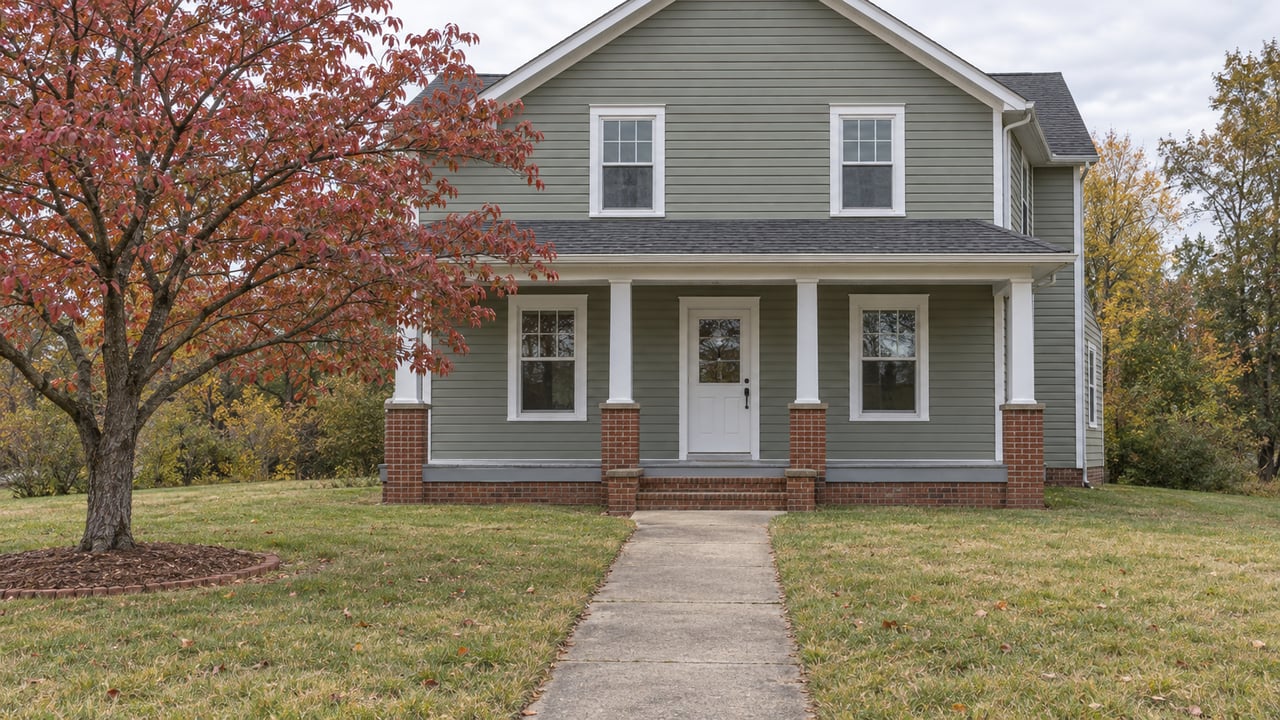
Single-family neighborhoods such as Park Place, Colonial Place, Larchmont/Edgewater, Ghent, and parts of East Ocean View offer yards, driveways or street parking, and more flexibility for pets and outdoor living. Prices vary by block and condition and often sit around or above the city median. Many buyers choose a house for privacy, expansion options, and long-term control over improvements.
Military and relocation fit
Active-duty and DoD-affiliated buyers often weigh commute time to Naval Station Norfolk and other regional installations against budget and lifestyle. Condos can simplify maintenance during deployments or busy cycles. If you plan to use a VA loan on a condo, verify project approval early and talk through alternatives with your lender. Houses near main corridors can also offer manageable commutes with more space for gear, vehicles, and hobbies.
A quick decision guide
- Choose a condo if you want low-maintenance living, walkability to downtown amenities, and predictable building care handled by an association. Confirm HOA dues, coverage, and reserves.
- Choose a house if you want a yard, more control over projects, and flexibility for pets or storage. Plan for ongoing maintenance and a broader insurance policy.
- Weigh flood exposure and insurance carefully for both. Elevation, drainage, and building type matter as much as location on the map.
- If you may move in a few years, think about resaleability. For condos, look for strong financials, clear parking and storage, and straightforward pet and rental rules. For houses, focus on condition, layout, and neighborhood access.
Your Norfolk due-diligence checklist
- Request the association disclosure packet or resale certificate early. Review bylaws, budget, minutes, insurance certificates, and any pending special assessments or litigation. See state guidance at DPOR’s CIC Board.
- Ask for the most recent reserve study and audited financials. Virginia requires periodic studies; underfunded reserves may mean higher dues or special assessments later. Read the statute at §55.1‑1965 reserve studies and general context at CAI’s reserve funding guidance.
- If using FHA or VA financing on a condo, verify the project’s approval status before you offer. Discuss single-unit approvals and conventional alternatives with your lender.
- Confirm insurance costs. For condos, get the master policy and quote an HO‑6 and flood policy; for houses, quote an HO‑3 and flood policy. See an overview of condo coverage in this HO‑6 guide.
- Run a flood and elevation check. Review FEMA flood maps, ask for an elevation certificate, and investigate any past flood claims. Learn about local sea-level trends from VIMS sea-level rise report cards. Visit during high tide or heavy rain if possible.
- Compare total monthly cost. Build side-by-side estimates that include mortgage, taxes, insurance, HOA dues (if any), utilities, and a maintenance reserve.
- Visit properties at different times of day. Pay attention to parking, noise, traffic, and any signs of ponding or drainage issues.
Next steps
Your first home should fit your budget, your routine, and your risk comfort. Start by narrowing to two or three neighborhoods or buildings, then build real monthly estimates and run insurance and flood checks. Line up financing that fits the property type and your timeline, and walk a few places in person to feel the difference.
If you want a local, veteran-led advisor to help you compare options, review HOA documents, and build a clean budget, reach out to Michael Morrill for a quick plan and tailored tours.
FAQs
How do HOA fees affect affordability in Norfolk condos?
- HOA dues add to your monthly payment but may include exterior upkeep, a master insurance policy, and some utilities. Compare what dues cover plus your HO‑6 and flood quotes to a house’s HO‑3 and maintenance set-aside.
What flood checks should I run before buying in Norfolk?
- Review FEMA maps, request an elevation certificate, and get flood insurance quotes. Visit during high tide or storms and review sea-level trends via VIMS to understand nuisance flooding risk.
Can I use a VA loan to buy a Norfolk condo?
- Yes, if the condo project is VA approved or you qualify for a single-unit process. Verify approval early and discuss timelines and alternatives with your lender before making an offer.
What is in a Virginia condo resale disclosure packet?
- Expect bylaws, declaration, budgets, reserve study, recent financials, insurance certificates, meeting minutes, and notices of special assessments or litigation. Review it during your contract period.
Are downtown Norfolk condos good for resale?
- They can be, especially with solid financials, clear parking and storage, and practical pet and rental rules. Days on market vary by building, price point, and dues level, so compare recent sales nearby.