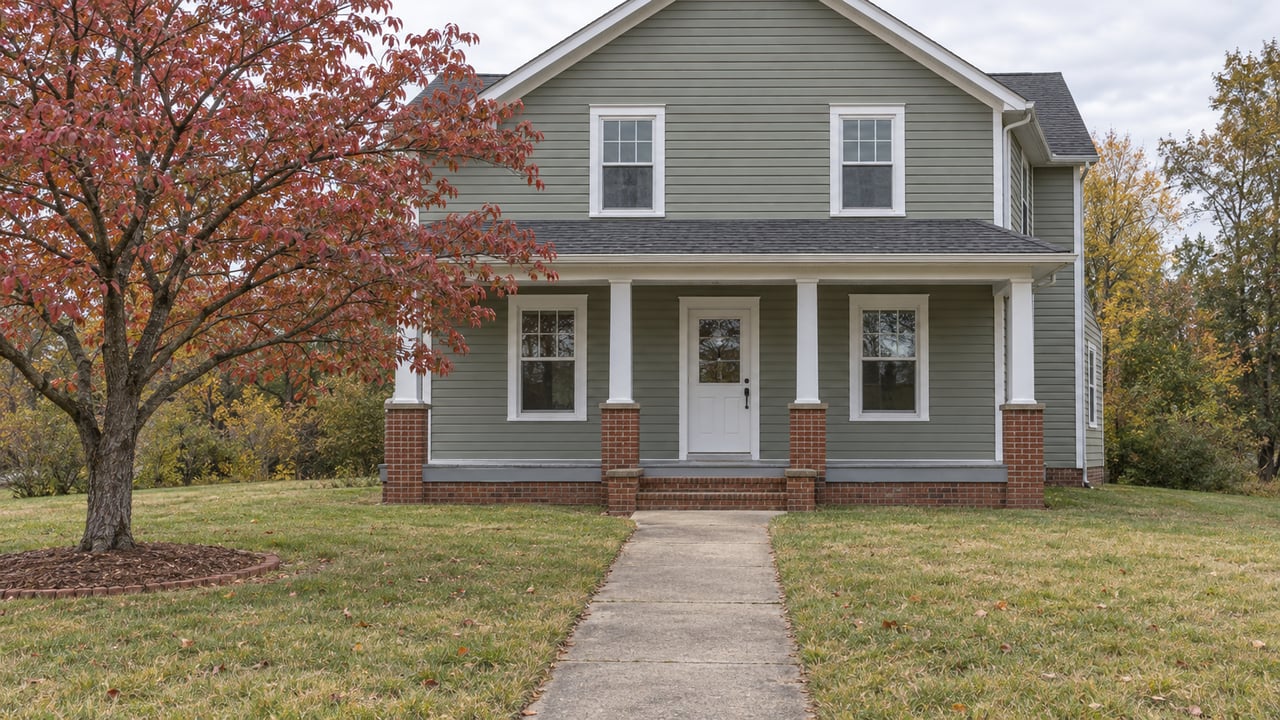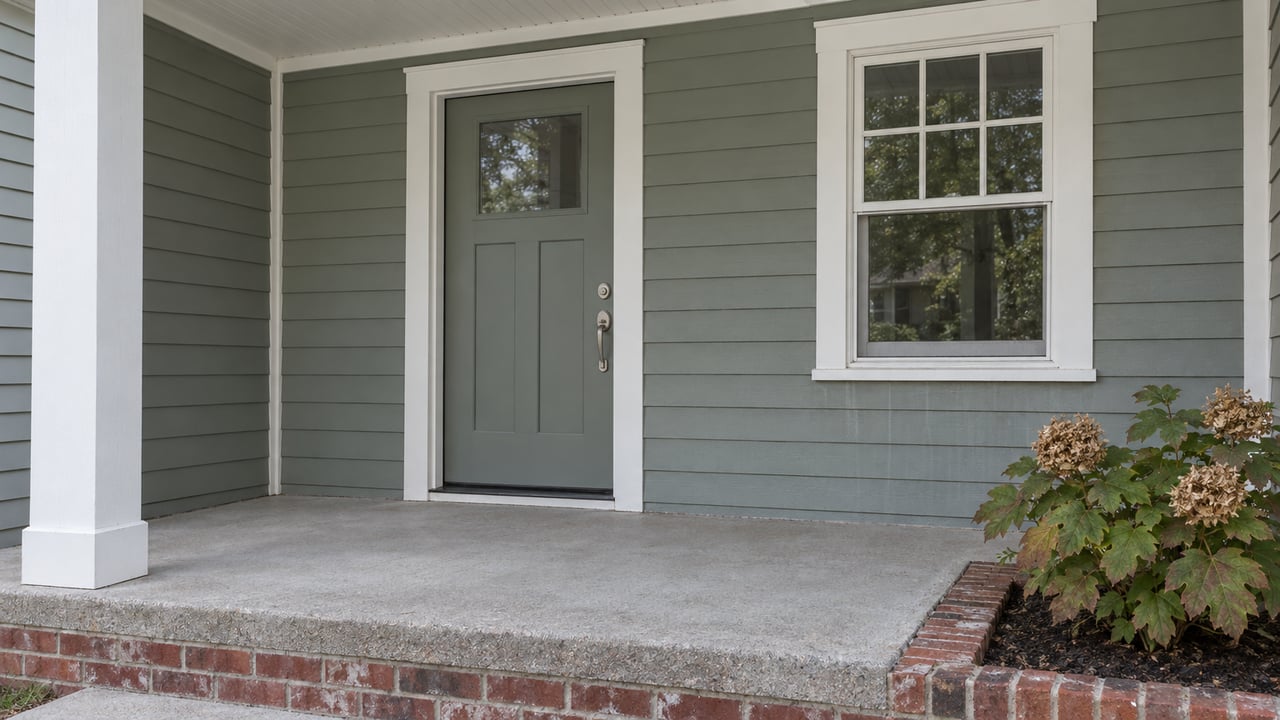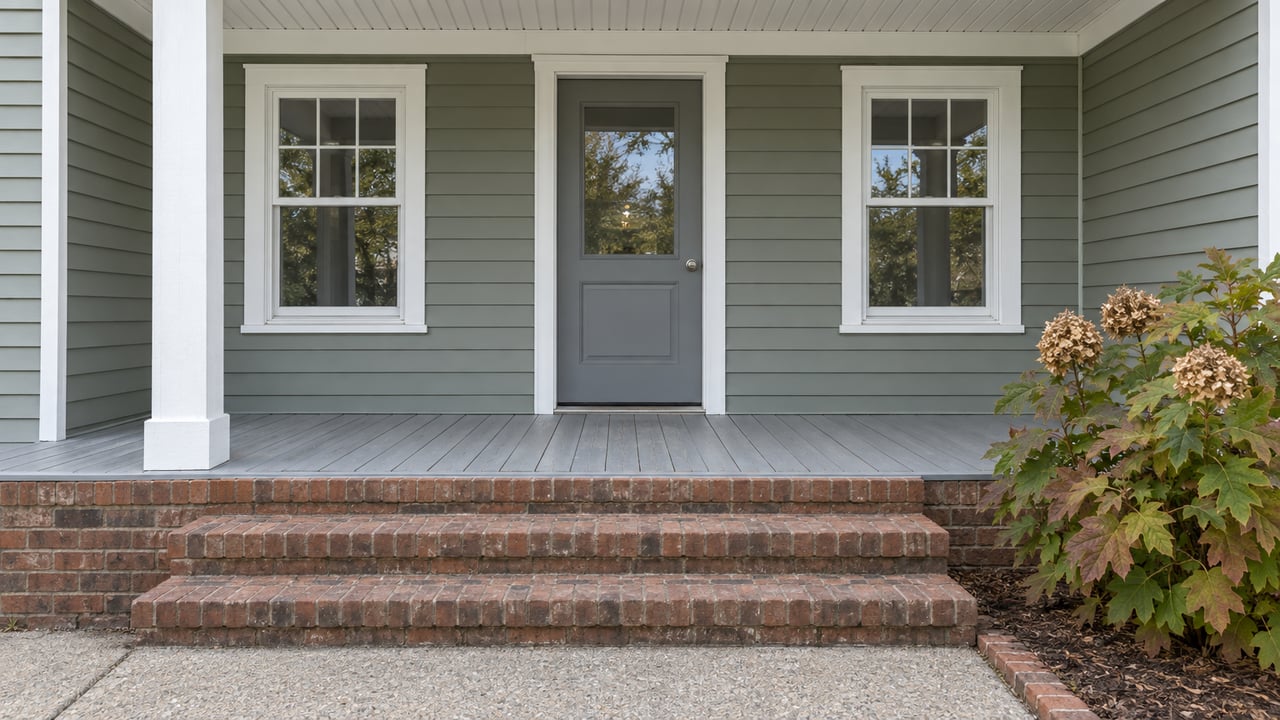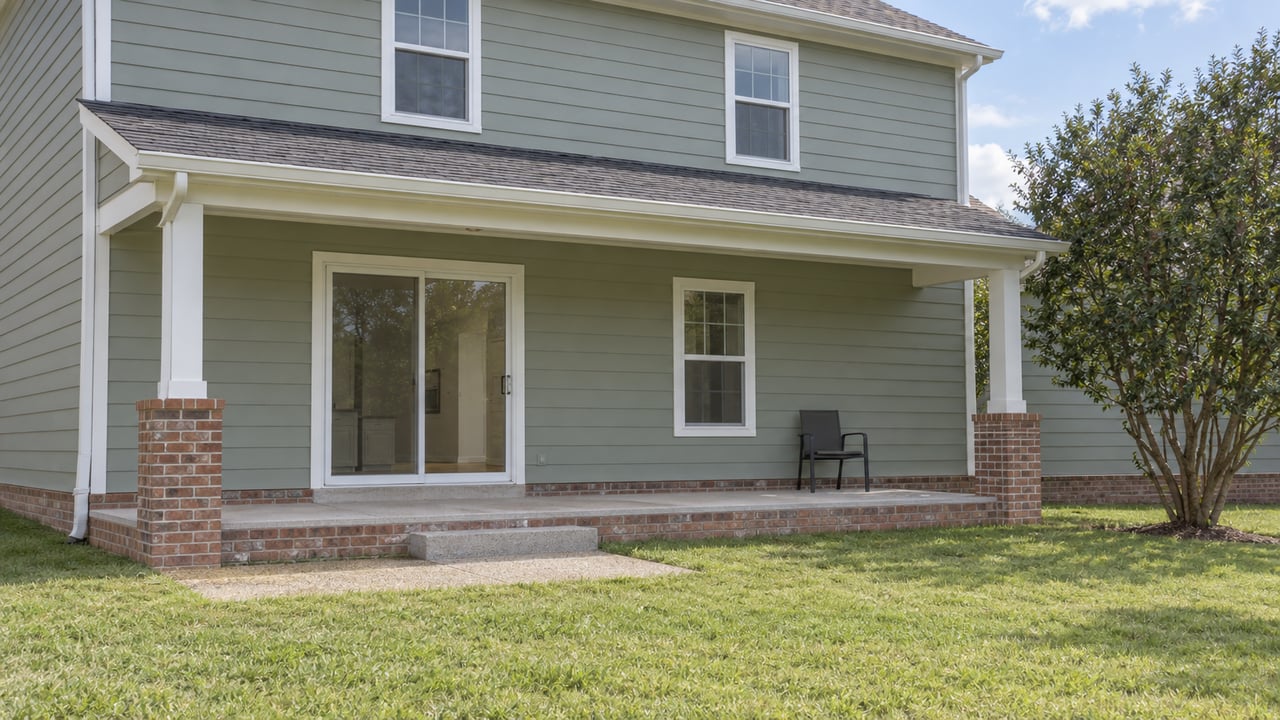
A historic home in Portsmouth can be full of charm, detail, and story, but it can also come with extra rules, maintenance needs, and renovation planning. If you are drawn to original brickwork, tall windows, deep porches, or classic rooflines, it helps to know what you are buying before you fall in love. This guide walks you through the key things to understand about buying a historic home in Portsmouth, from district rules to inspections, budgeting, and timelines. Let’s dive in.
What “historic” means in Portsmouth
In Portsmouth, “historic” does not always mean the same thing. Some homes are simply older properties with original character, while others sit inside one of the city’s locally designated historic districts.
Portsmouth recognizes five local historic districts: Truxtun, Cradock, Port Norfolk, Olde Towne, and Park View. Olde Towne is known as the city’s historic core and includes more than twenty blocks of early townscape. For you as a buyer, the big difference is this: if a home is inside a local historic district, exterior changes are subject to review by the city.
That means your purchase decision should include more than square footage and price. You also want to know whether the home’s location affects what you can repair, replace, or update on the outside.
Portsmouth styles you may see
Historic homes in Portsmouth can look very different from one another. In Olde Towne, you may see tall, narrow Federal and Greek Revival townhouses with side-hall plans, raised basements, and long front steps.
You may also find Victorian-era homes with decorative woodwork and porches. City guidance for Olde Towne also identifies Italianate, Second Empire, Queen Anne, and Colonial Revival homes, while downtown includes Gothic Revival and Romanesque Revival landmarks.
These style names matter because they often connect to features the city expects owners to preserve. Common exterior elements include brick masonry, original trim and cornices, windows and shutters, porches, chimneys, and roof materials like slate, standing-seam metal, and wood shingles.
Features worth noticing before you buy
A historic home’s appeal often comes from the details. Those details can also affect repair costs, permit needs, and how future projects are handled.
As you tour homes, pay close attention to:
- Roof shape and material
- Masonry condition
- Porch structure and trim
- Original windows and shutters
- Chimneys and drainage
- Signs of moisture near walls or foundations
In Portsmouth’s historic guidance, rooflines can range from simple gables to mansards and steep cross-gables. Original forms and materials are important, so a roof is not just a maintenance item. It may also be part of the home’s historic character.
Inspection priorities for older homes
A general home inspection is a smart starting point, but it should not be your only step with a historic property. Older homes often need a closer look at specific systems and materials.
Roofs and rooflines
Portsmouth’s Olde Towne guidelines stress that good roof maintenance is critical. The city encourages retaining original roof shapes and early materials, and it favors in-kind repair over changing the roof form or adding features that do not fit the structure.
If the roof shows wear, ask whether the issue is cosmetic, active, or structural. You also want to understand whether a future replacement would need historic review, building permits, or both.
Masonry and moisture
Brick and mortar deserve careful attention in older homes. Portsmouth’s guidelines emphasize preventing water from pooling at the base of walls, keeping gutters and downspouts in good repair, and repairing mortar or cracked brick rather than casually replacing or aggressively cleaning historic masonry.
If you see staining, cracking, or damp areas, it may be worth bringing in a licensed specialist. Moisture problems can grow quietly over time, especially in older materials.
Windows and shutters
Original windows are a major character feature in many historic homes. Portsmouth’s guidelines favor preserving original windows and repairing them when possible, with replacement reserved for units that are beyond repair.
The city also notes that clear glass may be appropriate where historically consistent, and it discourages vinyl or aluminum shutters on historic structures. If replacement windows are part of your plan, verify what may be allowed before closing.
Lead-based paint concerns
If the home was built before 1978, lead-based paint is a real consideration. Older homes are more likely to contain it, and renovation work that disturbs painted surfaces must use certified firms and lead-safe work practices.
That does not mean you should avoid an older home. It does mean you should ask informed questions and hire the right professionals if repairs or updates are needed.
Flood risk should be part of your due diligence
In Portsmouth, flood risk matters whether a home is historic or not. The city notes that flooding can result from coastal storms, storm surge, and rain events.
It also states that homeowners and renters insurance typically does not cover flood damage. Before you make renovation assumptions or finalize your budget, check FEMA flood maps and Portsmouth’s flood information for the property you are considering.
This step can affect more than insurance. It may also influence repair choices, project timelines, and your comfort with long-term ownership costs.
Permits and historic review can affect your timeline
One of the biggest surprises for buyers is that exterior work in a historic district is usually not treated as simple cosmetic work. Portsmouth requires a Certificate of Appropriateness, or COA, for new development, rehabilitation, or redevelopment in its historic districts.
The city states that an approved COA is required before any other applications can be filed. Depending on the project, review may be handled administratively or by the Historic Preservation Commission.
For you, that means renovation timing may be longer than expected. If you are buying a home and planning immediate exterior upgrades, build extra time into your post-closing schedule.
Projects that may need more review
Portsmouth’s permit guidance flags several exterior items in historic districts as permit-related work, including:
- Exterior facades
- Roofing
- Siding
- Doors and windows
That means a project as common as replacing windows or updating roofing may require both historic review and building permits. Before you buy, make a list of your must-do improvements and confirm what approvals may apply.
Hire licensed professionals with historic experience
A historic home purchase works best when you have the right team around you. Virginia home inspectors are licensed, and Portsmouth’s preservation guidance directs owners to consult licensed professionals and obtain appropriate permits.
If your inspector flags concerns with roofing, masonry, moisture, windows, or lead-related work, bring in the right specialist for a closer evaluation. For pre-1978 homes, certified renovators are especially important if painted surfaces will be disturbed.
Portsmouth also notes that its historic district guidelines are being reviewed and updated. That makes it even more important to confirm you are working from the current rules before you finalize any renovation plans.
Budget beyond the purchase price
Historic homes often need a more detailed budget than newer properties. In addition to inspection findings, you may need to account for specialized repairs, longer project timelines, permit costs, and work that must follow specific design standards.
The good news is that some tax relief programs may help, depending on the property and the scope of work. The key is not to assume you will qualify automatically.
Portsmouth tax exemption
Portsmouth offers a local real estate tax exemption for rehabilitated structures if the building is at least 25 years old. For residential rehabilitation, the work must increase the base assessed value by at least 40 percent, with less than 15 percent structural addition, and the application must be filed within 10 business days after obtaining building permits.
The exemption period is 10 years. Because the filing window is short and the qualification rules are specific, it is smart to verify details early if this incentive matters to your budget.
Virginia and federal historic tax credits
Virginia’s state historic rehabilitation tax credit equals 25 percent of eligible rehabilitation expenses. According to the Virginia Department of Historic Resources, this state credit can apply to owner-occupied and income-producing properties.
There is also a federal historic rehabilitation tax credit equal to 20 percent of eligible expenses, but DHR says the federal credit is limited to income-producing buildings. Both programs require work to comply with the Secretary of the Interior’s Standards for Rehabilitation.
If you are counting on tax incentives, confirm eligibility before you close or begin work. Scope, approval, certification, and compliance can all affect your schedule and your final numbers.
A smart way to buy a historic home in Portsmouth
Buying a historic home in Portsmouth is often about balancing charm with planning. The best approach is to understand the home’s district status, inspect its key materials carefully, verify flood considerations, and map out any exterior projects before you commit.
This kind of purchase can be rewarding when you go in with clear expectations. If you stay focused on facts, timing, and the right professionals, you can enjoy the character of an older home without being caught off guard by avoidable surprises.
If you are considering a historic home in Portsmouth and want clear, practical guidance through the process, Michael Morrill can help you evaluate homes, understand the local process, and move forward with confidence.
FAQs
What should you check first when buying a historic home in Portsmouth?
- Start by confirming whether the property is inside one of Portsmouth’s local historic districts, because that can affect what exterior changes require review and approval.
What exterior work may need approval for a Portsmouth historic home?
- In Portsmouth historic districts, work involving exterior facades, roofing, siding, and doors or windows may require historic review, permits, or both.
What inspection issues matter most for older homes in Portsmouth?
- Pay close attention to roofs, masonry, moisture management, windows, shutters, and any lead-based paint concerns in pre-1978 homes.
What flood questions should buyers ask about a Portsmouth historic home?
- You should check FEMA flood maps and Portsmouth flood information, since the city notes flood damage is not typically covered by standard homeowners or renters insurance.
What tax incentives may apply to rehabilitating a historic home in Portsmouth?
- Buyers may want to explore Portsmouth’s local tax exemption for qualifying rehabilitated structures, Virginia’s 25 percent state historic rehabilitation tax credit, and the 20 percent federal credit for eligible income-producing properties.
What professionals should you hire when buying a Portsmouth historic home?
- A licensed Virginia home inspector is a strong first step, and if issues are flagged, you may also need licensed specialists for roofing, masonry, moisture, windows, or lead-safe renovation work.