Trying to choose the right Chesapeake neighborhood for your family can feel overwhelming. You want good routines, manageable commutes, nearby parks, and a home that fits your budget without surprises. This guide gives you a practical, side‑by‑side look at popular family areas in Chesapeake, what to verify for schools and flood risk, and how to weigh commutes across Hampton Roads. By the end, you will have a short list that fits your day‑to‑day life and a clear plan to confirm the details that matter most. Let’s dive in.
How to choose in Chesapeake
Start with a short checklist. Then rank your must‑haves versus nice‑to‑haves.
- Schools and programs to fit your child’s needs
- Commute routes to your specific job sites
- Proximity to parks, playgrounds, and youth activities
- Flood risk and insurance for your exact address
- Housing type, lot size, HOA rules, and future resale
- Nearby childcare, healthcare, and grocery options
For schools, confirm zoning and performance on the Chesapeake Public Schools site and the Virginia Department of Education’s School Quality Profiles. For flood, check FEMA maps and the City of Chesapeake’s resources. For commuting, map peak‑hour drive times and look for bridges or chokepoints that affect your route.
Neighborhood snapshots for families
These snapshots highlight common family priorities. Always verify school boundaries, price trends, and flood zones for your specific address before you write an offer.
Great Bridge
Historic village life with convenience. You will see mature trees, established streets, and a mix of older and updated homes.
- Housing: Renovated ranches and split‑levels from the 1950s–1970s, plus some infill. Moderate lots with shade and sidewalks in pockets.
- Parks and activities: Close to Great Bridge Battlefield Park and small playgrounds. Village center offers local dining and errands in one trip.
- Commute: Central within Chesapeake. Reasonable drives to Norfolk, Portsmouth, and Virginia Beach depending on your route.
- Schools: Several elementary and middle schools feed nearby high schools. Verify assignments on the Chesapeake Public Schools site and review data on VDOE School Quality Profiles.
Greenbrier / Western Greenbrier
Suburban convenience near major roads, retail, dining, and medical services.
- Housing: Planned subdivisions from the 1990s onward. Many single‑family homes; some townhome options.
- Parks and activities: Quick access to parks, shopping, and services. Good fit if you want short errand runs and nearby amenities.
- Commute: Strong access to I‑64 and regional routes. Often a shorter drive to Norfolk and Virginia Beach employment clusters.
- Schools: Multiple schools serve this area. Check exact zoning on the Chesapeake Public Schools site and confirm metrics with VDOE School Quality Profiles.
Grassfield / Western Branch corridor
Newer subdivisions and family‑oriented layouts in Chesapeake’s southwest.
- Housing: Larger new‑construction neighborhoods with cul‑de‑sacs and family‑friendly floor plans. Some larger lots in select developments.
- Parks and activities: Youth sports fields and newer retail have followed housing growth.
- Commute: Longer to northeast job centers, but convenient to local employers and southwestern Hampton Roads.
- Schools: Grassfield High School serves parts of this corridor. Confirm current zones and feeder patterns on the Chesapeake Public Schools site.
Deep Creek
A mix of inland neighborhoods and waterfront pockets along creeks and Elizabeth River tributaries.
- Housing: Wide range from modest single‑family homes to premium waterfront with docks.
- Parks and activities: Water access, boating, and fishing; neighborhood parks across the area.
- Commute: Good access toward Norfolk and Portsmouth. Travel times can shift with bridge and tidal traffic.
- Schools: Boundaries vary by street. Verify assignment and review school data through Chesapeake Public Schools and VDOE School Quality Profiles.
Hickory and nearby areas
Established neighborhoods with a community feel and often approachable entry points for first‑time and move‑up buyers.
- Housing: Predominantly mid‑century homes, many updated; some townhouse pockets.
- Parks and activities: Local parks and neighborhood schools close by.
- Commute: Central for regional access. Weigh your daily routes to confirm peak‑hour timing.
- Schools: Served by Chesapeake Public Schools. Confirm exact zoning and program options on the district site.
South Norfolk / downtown‑adjacent
An older village setting near the Elizabeth River with renovation and infill.
- Housing: Historic homes alongside newer infill and some townhomes; generally tighter lots.
- Parks and activities: Walkability in select blocks, riverfront parks, and cultural spots.
- Commute: Often shorter to Portsmouth and downtown Norfolk. Bridges and chokepoints can affect peak times.
- Schools: Multiple neighborhood schools serve these blocks. Confirm boundaries and review data through Chesapeake Public Schools and VDOE School Quality Profiles.
Additional pockets to watch
- Indian River / Greenbrier North: Convenience to retail and major roads; mixed housing.
- Near Northwest River Park: Larger lots and quick access to outdoor recreation.
- Near the Great Dismal Swamp: Quiet, lower‑density feel; verify flood and commute trade‑offs.
Commute patterns and what to verify
Chesapeake is centrally located relative to Norfolk, Virginia Beach, Portsmouth, Suffolk, and Newport News. That means there is no single commute pattern. Your best route depends on where you live and where you work.
- Key routes: US‑17 (Dominion Boulevard), I‑64 and I‑264 connections, and several state routes.
- Transit: Bus service is available in parts of the city through Hampton Roads Transit. Regional light rail operates in Norfolk, not Chesapeake.
- Tips: Test your morning and afternoon drive during school‑year peak hours. Watch for bridges, tunnels, and construction updates via the Virginia Department of Transportation.
If you work at Navy, healthcare, higher education, or port‑related sites, map times to those exact addresses. Families often choose Greenbrier or South Norfolk for Norfolk or Virginia Beach jobs, and Grassfield or Western Branch for southwest‑side jobs.
Schools and how to check fit
Chesapeake Public Schools serves the entire city. Boundaries and programs can change, so focus on verification instead of assumptions.
- Confirm zoning: Use the boundary resources on the Chesapeake Public Schools site for the exact property address.
- Review performance: Check test scores, accreditation, graduation rates, and enrollment on VDOE School Quality Profiles.
- Explore programs: Ask about AP, IB, career/technical courses, and specialty offerings at the school level. Program availability varies by school and year.
Keep school research neutral and data‑driven. If a program is important to your child, confirm capacity and application timelines directly with the school.
Flood risk and insurance basics
Chesapeake includes low‑lying and tidal areas, and flood risk can vary by block. Before you fall in love with a home, evaluate risk and cost.
- Map the zone: Enter the property address in the FEMA Flood Map Service Center to see current flood designations.
- Local context: Review guidance and preparedness information through the City of Chesapeake.
- Insurance: Ask your insurance agent for quotes tied to the specific address. For waterfront homes, verify bulkhead and dock condition.
A clear flood review helps you budget for premiums and plan improvements that protect your home and routine.
Parks, trails, and kid‑friendly spaces
Access to parks and outdoor activity is a major perk in Chesapeake. Families often anchor weekends around these spots:
- Great Dismal Swamp National Wildlife Refuge: Miles of trails and wildlife viewing; a regional favorite for hiking and cycling.
- Northwest River Park: Camping, trails, and water access in the city’s south.
- Chesapeake Arboretum: A living classroom with trails and gardens; find event details via City of Chesapeake Parks & Recreation.
- Great Bridge Battlefield & Waterways History Center: History, green space, and community events.
Check distances from your short‑list homes to playgrounds, sports fields, libraries, and YMCAs. Shorter trips make weeknight activities easier.
Housing types and price expectations
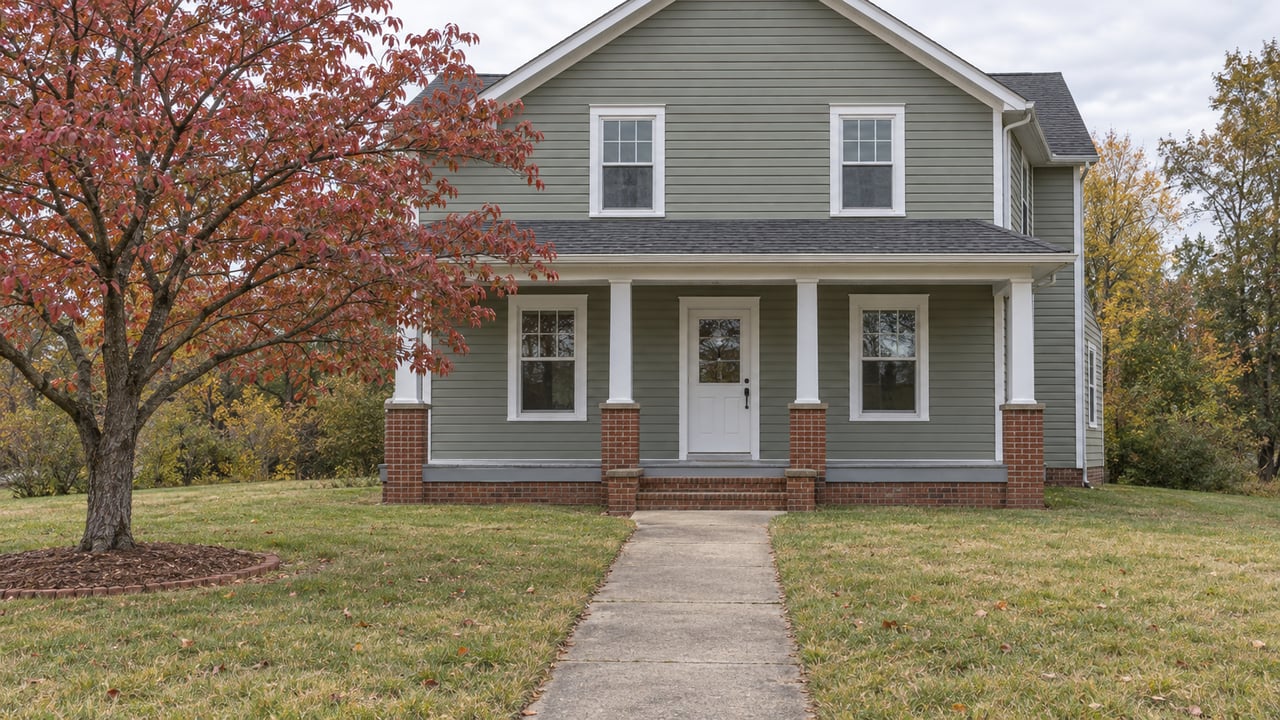
Chesapeake offers a broad mix of housing. You will find historic cottages in older villages, mid‑century ranches in established subdivisions, and newer construction across Greenbrier, Western Branch/Grassfield, and Deep Creek.
- Entry level: Modest single‑family homes and some townhomes in established areas.
- Mid‑market: Larger single‑family homes in planned subdivisions, often with HOAs and community amenities.
- Premium: Waterfront properties, new construction with larger lots, or homes near high‑demand corridors.
Because prices change quickly, ask your agent for up‑to‑the‑week MLS data for your target neighborhoods. Focus on days on market, list‑to‑sale ratios, and recent price reductions to gauge competition.
A simple plan to shortlist your fit
Use this quick, repeatable process.
- Pick 2–3 neighborhoods that align with your commute. Test drives during peak hours.
- Verify school zoning for 3 sample addresses in each neighborhood. Review VDOE School Quality Profiles.
- Run flood checks for those addresses on the FEMA Flood Map Service Center. Get sample insurance quotes.
- Tour parks and drive to your top errands and youth activities. Time round‑trips.
- Compare housing types and HOA rules. Ask for recent MLS comps and inventory trends.
Verify before you buy
Use this checklist to validate key details for any Chesapeake address.
- School assignment on the Chesapeake Public Schools site
- VDOE accreditation and test data on School Quality Profiles
- FEMA flood zone, elevation, and insurance quotes via the FEMA Flood Map Service Center
- Commute timing with live routing; check road updates at the Virginia Department of Transportation
- Access to parks, playgrounds, and libraries through City of Chesapeake Parks & Recreation
- HOA fees, covenants, and upcoming community projects
Ready to narrow your list with a local, relocation‑savvy guide who understands military timelines and family routines? Let’s build your plan and tour the right homes at the right times. Connect with Michael Morrill to schedule a Free Consultation.
FAQs
Which Chesapeake neighborhoods offer shorter drives to Norfolk employers?
- Greenbrier and South Norfolk usually offer shorter drives to Norfolk, with access to I‑64 and bridge connections. Always test your route during peak hours.
How do I verify my child’s Chesapeake school assignment?
- Look up the address on the Chesapeake Public Schools site and compare details with VDOE School Quality Profiles for current, neutral data.
What should families know about flood risk in Chesapeake?
- Flood risk varies by block. Check the FEMA Flood Map Service Center for your address and review local guidance from the City of Chesapeake.
Are there good parks and trails near family neighborhoods?
- Yes. Families often use Northwest River Park, the Chesapeake Arboretum, and trails near the Great Dismal Swamp. Check City Parks & Recreation for locations.
How do housing options differ across Chesapeake?
- Older ranches and cottages cluster in historic and established areas, while Greenbrier, Western Branch/Grassfield, and parts of Deep Creek offer newer subdivisions and some larger lots.
Is there bus or rail transit in Chesapeake?
- Hampton Roads Transit runs bus service in parts of the city. Regional light rail operates in Norfolk, so plan on driving or bus connections from Chesapeake.